- Whatsapp: 8618958900507
- Email: [email protected]


When Flange Connections fail, your business doesn’t just lose a few drops of fluid—it loses time, money, and potentially the safety of your crew. A single flange leakage can shut down an entire production line or lead to environmental hazards that are a nightmare to clean up. Ensuring your system stays bone-dry depends on understanding why these connections snap or leak in the first place.
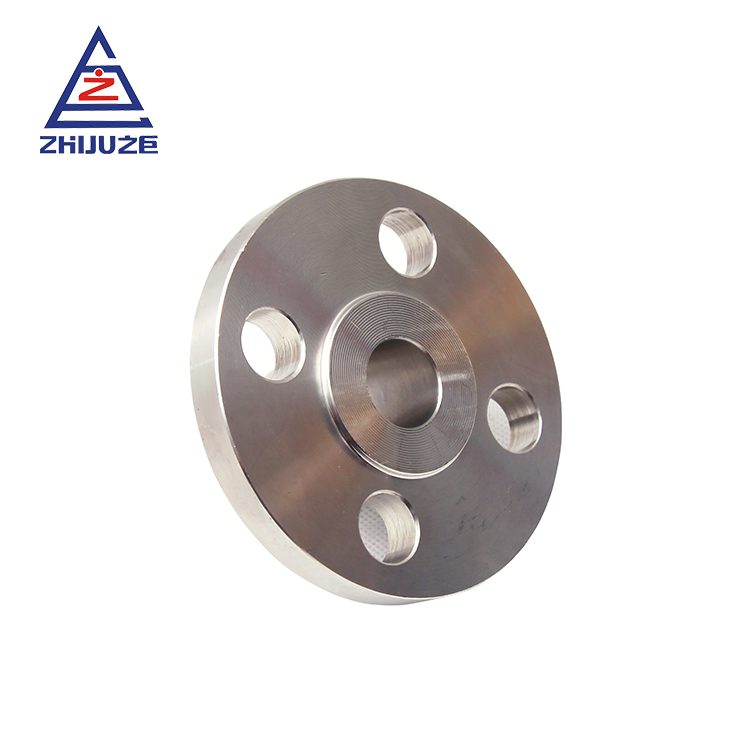
Flange Leakage
This is the most common headache. It usually starts as a tiny “weep”—a drop here and there—but under pressure, it quickly turns into a steady stream. Flange leakage is almost always a sign that the seal between the metal faces has been compromised.
Bolt Loosening
Pipes aren’t static; they breathe. As they heat up and cool down, or vibrate with the rhythm of a pump, the bolts can start to back off. This bolt loosening reduces the “squeeze” on the gasket, giving the internal pressure a chance to push its way out.
Flange Face Damage
The sealing surface of a flange needs to be as smooth as a mirror. Scratches, pits, or “wire-drawing”—tiny grooves cut into the metal by high-pressure steam—act like little canals for leaks. Even a tiny nick from a dropped tool during installation can ruin a seal.
Stress Corrosion Cracking (SCC)
This is a sneaky one. In high-stress environments, especially where chemicals or salt are present, your stainless steel can develop microscopic fractures. Stress corrosion cracking happens from the inside out, often invisible to the naked eye until the entire component suddenly snaps.
Improper Bolting & Torque Wrench Calibration
If you tighten the bolts by “feel,” you’re asking for trouble. Uneven tension is a gasket killer. One side gets crushed while the other stays loose. This is why torque wrench calibration is non-negotiable. If your wrench is lying to you about how much force you’re applying, your flange is doomed before the system even turns on.
Misalignment
Imagine trying to button a shirt when the holes don’t line up. If you “force” two flanges together with a crowbar or extra-long bolts to bridge a gap, you’re building massive stress into the metal. Eventually, that stress will find a way out—usually through a crack.
Gasket Issues
A flange gasket failure often comes down to picking the wrong tool for the job. If the gasket material can’t handle the chemicals flowing through the pipe, it will turn into mush or get brittle and crack. Sometimes, the gasket is fine, but it was just seated off-center, leaving a gap for the fluid to escape.
Environmental Factors
If your facility is near the ocean, the salt in the air is constantly looking for a way to eat your steel. Lower-grade materials are highly susceptible to stress corrosion cracking when exposed to chlorides or harsh industrial cleaning chemicals.
| Failure Cause | Mechanical Problem | Consequence |
| Improper Bolting | Uneven tension and poor torque wrench calibration. | Gasket gets crushed on one side while the other stays loose. |
| Misalignment | Forcing flanges together that do not line up. | Massive stress is built into the metal, leading to cracks. |
| Gasket Issues | Wrong material choice or off-center seating. | Material turns to mush, becomes brittle, or leaves gaps for leaks. |
| Environment | Exposure to salt air, chlorides, or harsh chemicals. | Lower-grade materials suffer from stress corrosion cracking. |
Immediate Troubleshooting
Don’t just tighten the bolts and hope for the best. First, wipe the joint dry and find the source. Is it coming from the threads? Is it spraying from one specific side? Identifying whether it’s the gasket, the bolt, or the face damage saves you from fixing the wrong problem.
Resurfacing the Flange Face
If you find scratches or pits, you have two choices: replace it or fix it. For large, expensive flanges, a technician can use a portable machine to “shave” the face back to a perfect finish. If the damage is too deep, throw it away. A “patched-up” flange is a ticking time bomb.
Re-Torquing Protocols
Never tighten a flange while it’s under full pressure. Blow the line down, let it cool, and then follow a proper bolt-tightening sequence. Use a freshly calibrated wrench and “feel” the bolts move into place until they reach the exact spec.
Proper Flange Face Protection
The easiest way to prevent failure is to stop it before the flange is even installed. Keep the plastic covers and caps on during shipping and storage. If you leave a flange face naked on a concrete floor, you’re basically inviting flange face damage.
Implementing a Preventative Maintenance Program
Don’t wait for a leak to start. Have a schedule where a technician walks the lines, checks for signs of oxidation, and tests bolt tension. A quick “wipe and check” every few months can catch a loose bolt before it becomes a multi-million dollar shutdown.
Material Upgrading
If you keep seeing rust or cracks in your TP304 flanges, it’s time to move up. Upgrading to TP316L or even Duplex S31803 gives you that extra layer of chemical resistance that pays for itself in avoided repairs.
Calibration Standards
Make torque wrench calibration a law in your shop. Treat your tools with respect—store them at zero setting and have them certified regularly. A calibrated tool ensures that when you say a bolt is tight, it actually is.
When you are looking for parts to secure a high-pressure line, the quality of the manufacturer is your only real insurance policy. A flange might look fine on the outside, but what’s happening inside the metal is what actually prevents a disaster.
The Power of Precision Forging
In the world of industrial manufacturing, how a flange is shaped matters as much as the metal it’s made from. A lower-quality, “plate-cut” or cast part often hides tiny air bubbles or “voids” deep inside. Under high pressure, these bubbles become the starting point for cracks.
High-quality forged flanges are different. The metal is hammered into shape while red-hot, which crushes the internal grain structure into a dense, tight pattern. This “mechanical workout” makes the steel much harder to break and ensures the flange can handle the constant “push and pull” of your system’s thermal cycles without snapping.
Strict Material Testing vs. Guesswork
Quality isn’t something you can just guess by looking at a shiny surface. Reliable manufacturers put their TP304L and TP316L stainless steel through a rigorous chemical “audit” before it ever hits the machine shop.
By verifying the exact levels of chromium and nickel, a manufacturer ensures the metal has the right recipe to fight off intergranular corrosion. Without this testing, you might unknowingly install a flange that looks like stainless steel but lacks the chemical backbone to stay strong in harsh environments, leading to a premature and expensive failure.
Why is my stainless steel flange leaking even with a new gasket?
Likely misalignment or face damage. Even a new gasket cannot seal surfaces that aren’t parallel or perfectly smooth.
How do I prevent stress corrosion cracking in offshore environments?
Switch to TP316L or Duplex grades. Their molybdenum content provides superior resistance to saltwater-induced cracking.
What is the correct bolt tightening sequence for a 4-bolt or 8-bolt flange?
Use the “Star Pattern.” Tighten in a crisscross sequence to apply pressure evenly across the gasket.
How often should I perform preventative maintenance on high-pressure flanges?
Every 6 to 12 months, or immediately after any extreme temperature fluctuations or system vibration events.
Preventing a disaster is always cheaper than cleaning one up. By focusing on proper installation, preventative maintenance, and using high-quality forged parts, you can keep your piping system running without a hitch. Contact our technical team today for a guide on how to keep your connections leak-free for the long haul.

THE QUALITY IS THE SOUL OF AN ENTERPRISE
Zhejiang Zhiju Pipeline Industry Co., Ltd
Official Website: https://www.zhiju-steel.com
Privacy Policy
Copyright ZHEJIANG ZHIJU PIPELINE INDUSTRY CO., LTD SUPPORT BY :JUNJ