- Whatsapp: 8618958900507
- Email: [email protected]


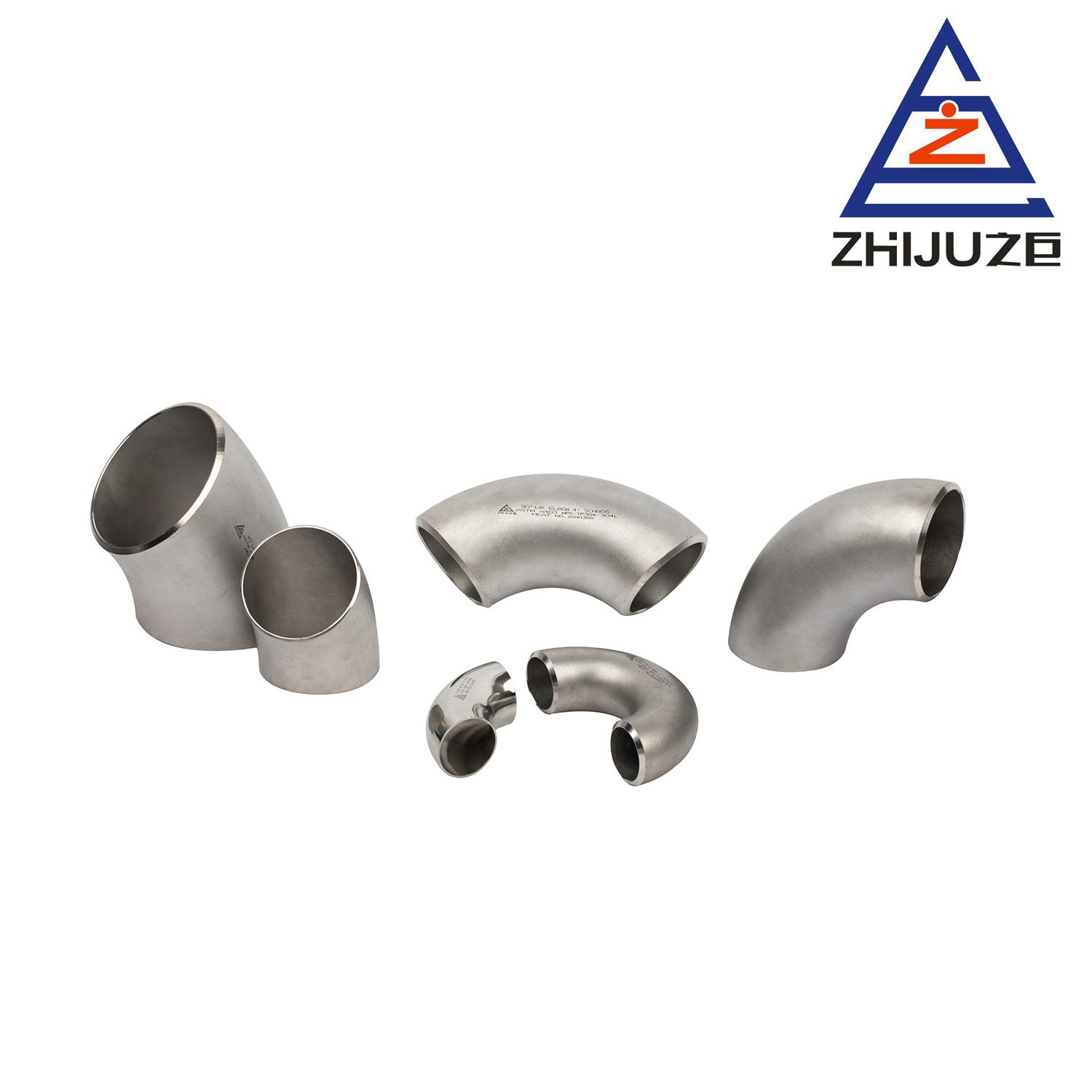
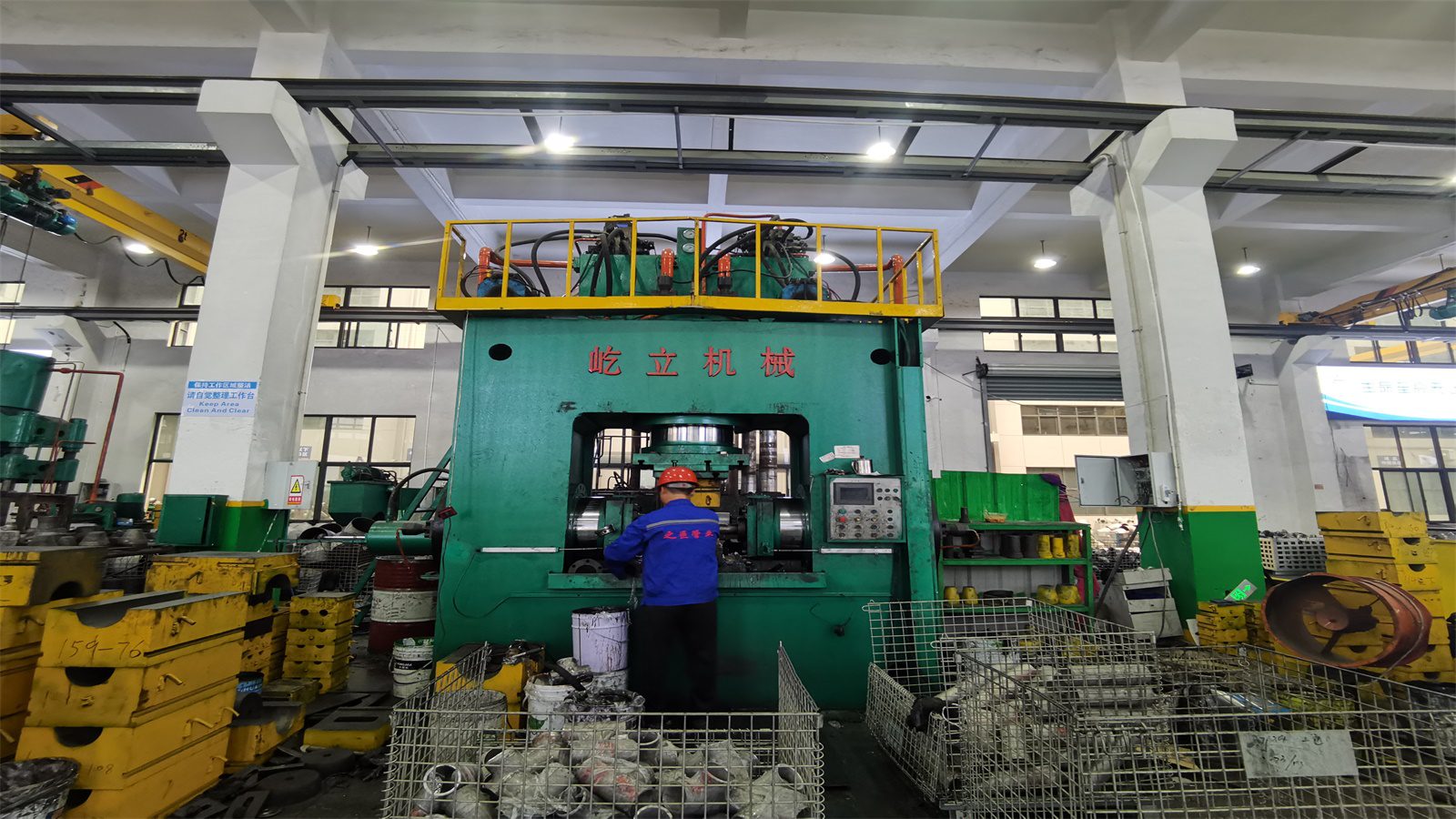
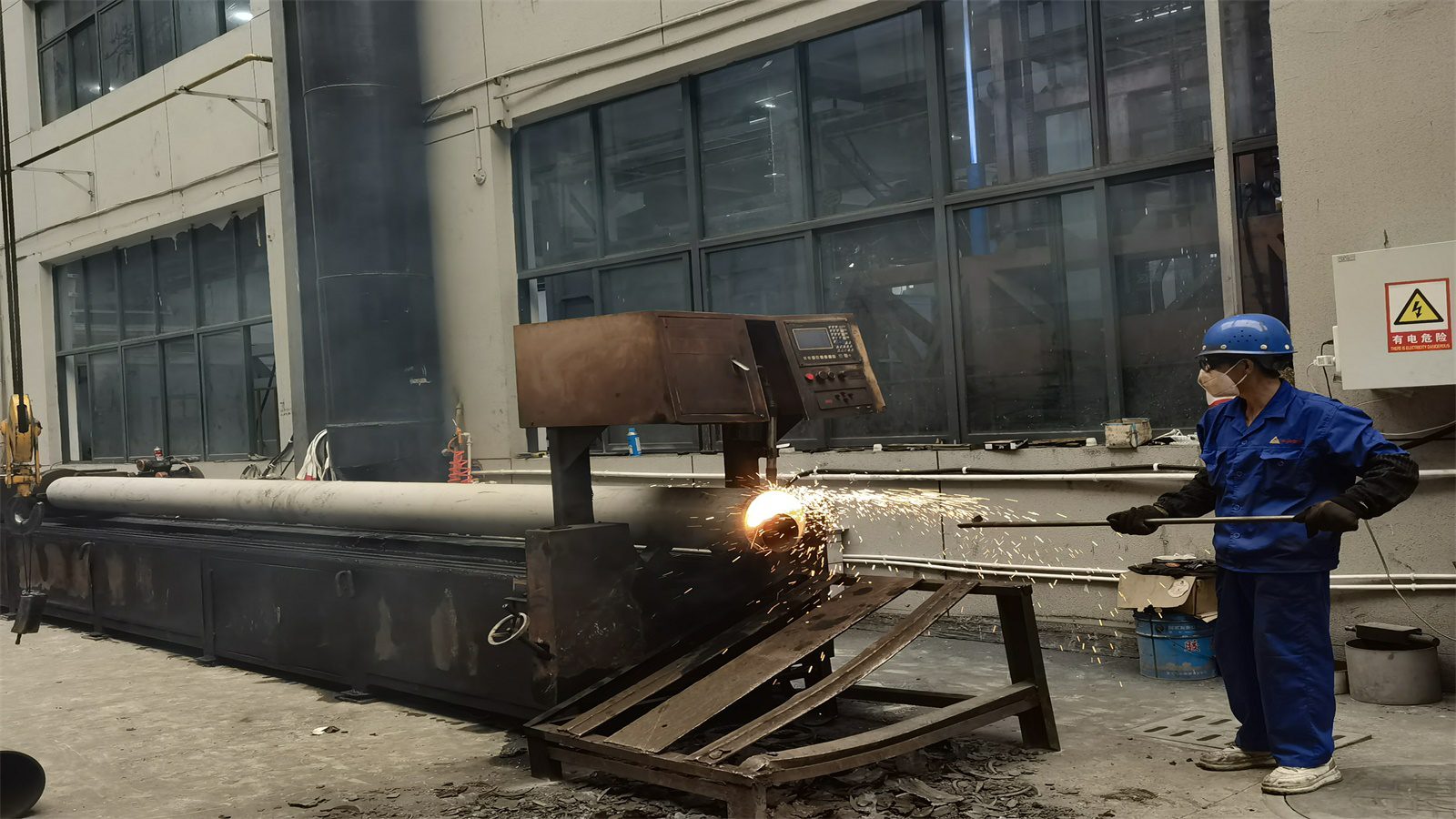
Pipe elbows are essential connecting components in piping systems, designed to change the direction of flow. Available in various angles including 45°, 90°, and 180°, they are manufactured using a combination of cold forming and induction bending techniques. This ensures uniform wall thickness and compliance with diverse pressure ratings.
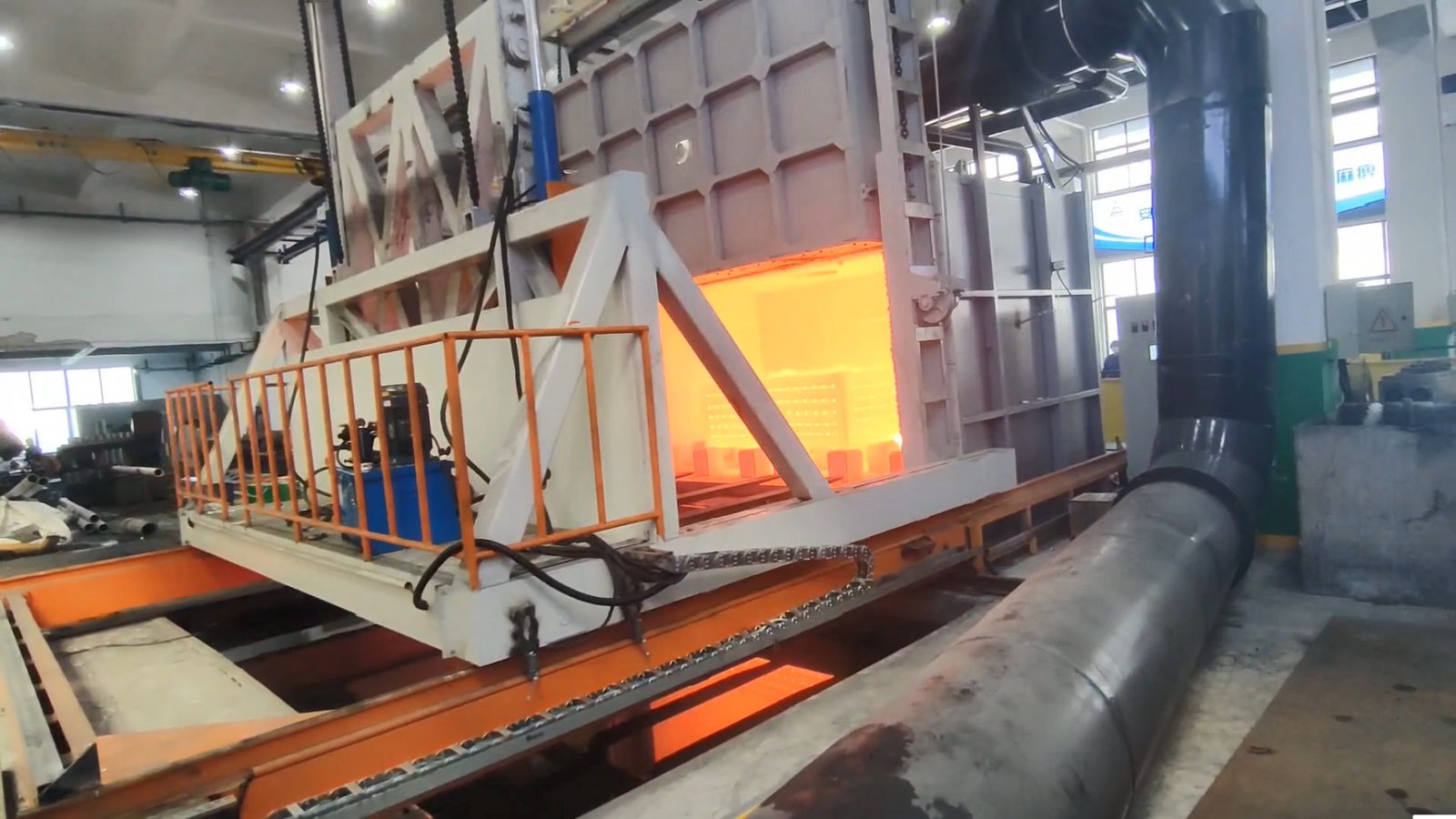
For large-diameter elbows, we employ segmented hot pressing and supplement the process with solution heat treatment to eliminate internal stress. This guarantees stable performance even in high-pressure, high-temperature environments such as chemical pipelines and energy transmission systems.
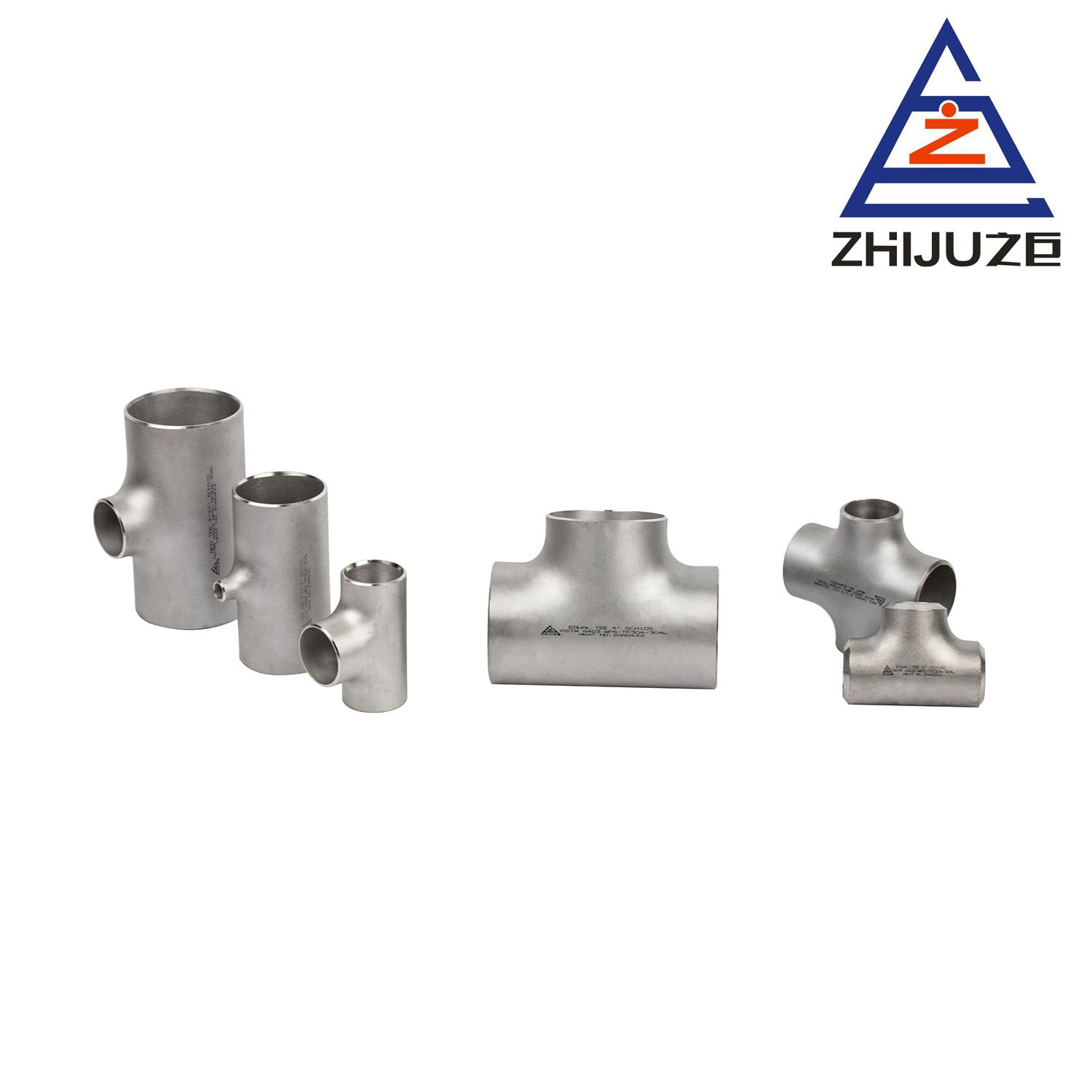
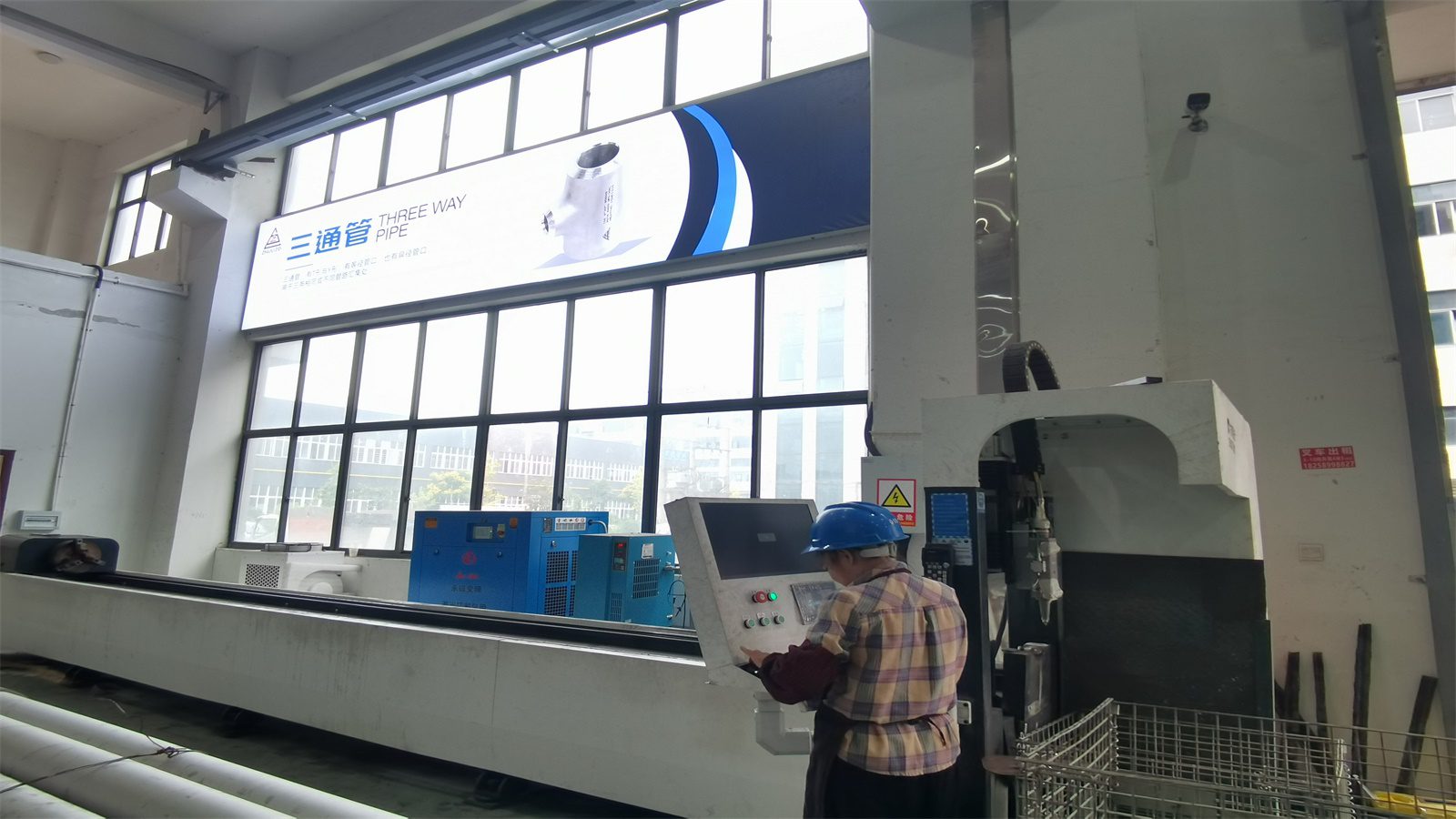
A Tee is a type of pipe fitting with three connections—typically one inlet and two outlets, or two inlets and one outlet. It is designed to combine or divide fluid flow at the junction of three pipelines. Available in T-shape and Y-shape configurations, Tees come with either equal (straight) or reducing branch ends to accommodate pipes of the same or different diameters. Its primary function is to change the direction of fluid flow within a piping system.
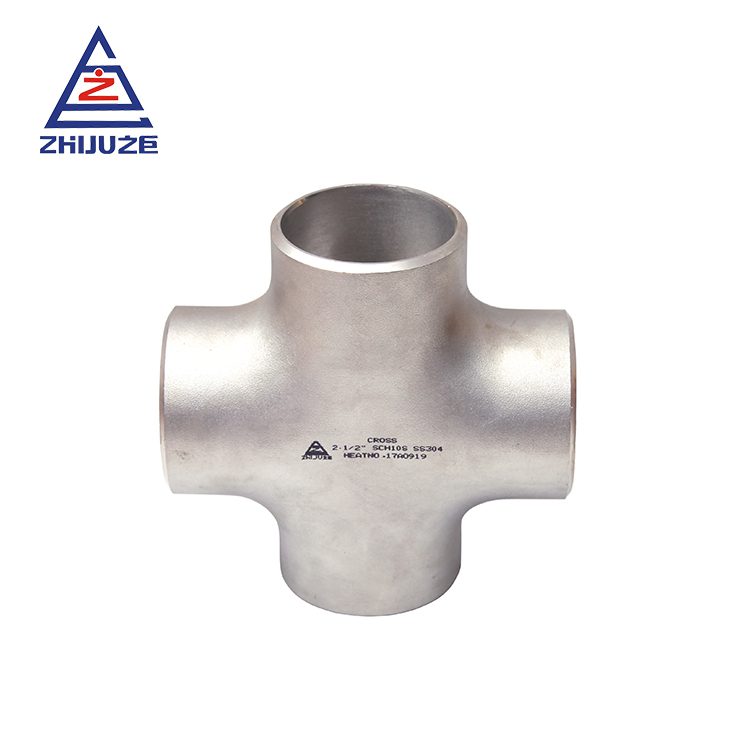
The Cross Fitting is a critical component in piping systems, designed to connect four intersecting pipelines at right angles. It features four mutually perpendicular connections, enabling simultaneous multi-directional flow distribution and collection. Manufactured using seamless integrated forming technology, it incorporates two symmetrical branch connections orthogonal to the main pipeline, creating a stable cruciform flow path structure.
Available in equal-diameter and reducing configurations, the reducing cross employs precision dimensional transition design to accommodate integration of different pipe sizes. This fitting is particularly suited for complex distribution systems in industrial applications where bidirectional branching is required, providing superior structural integrity and flow efficiency compared to alternative assembly methods.
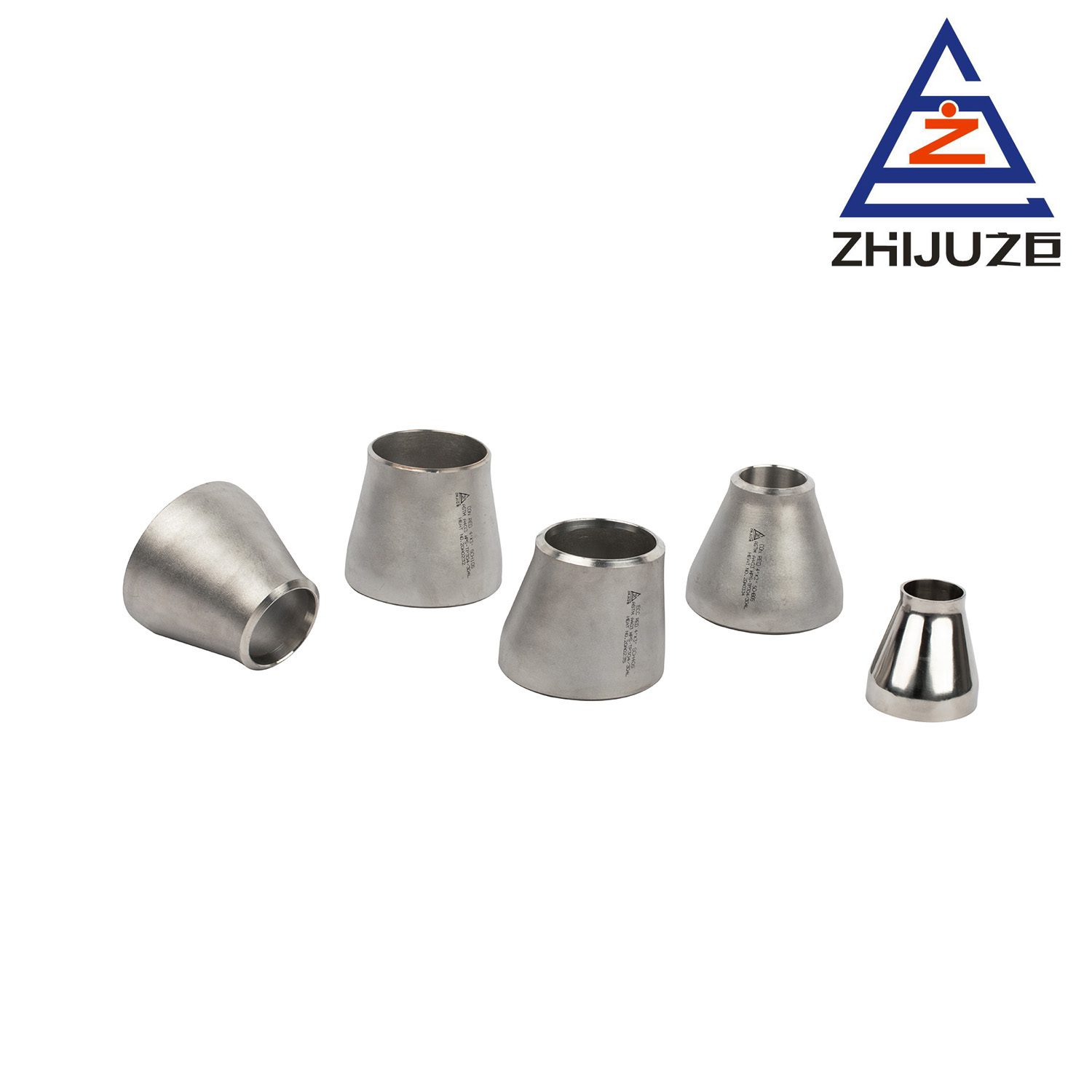
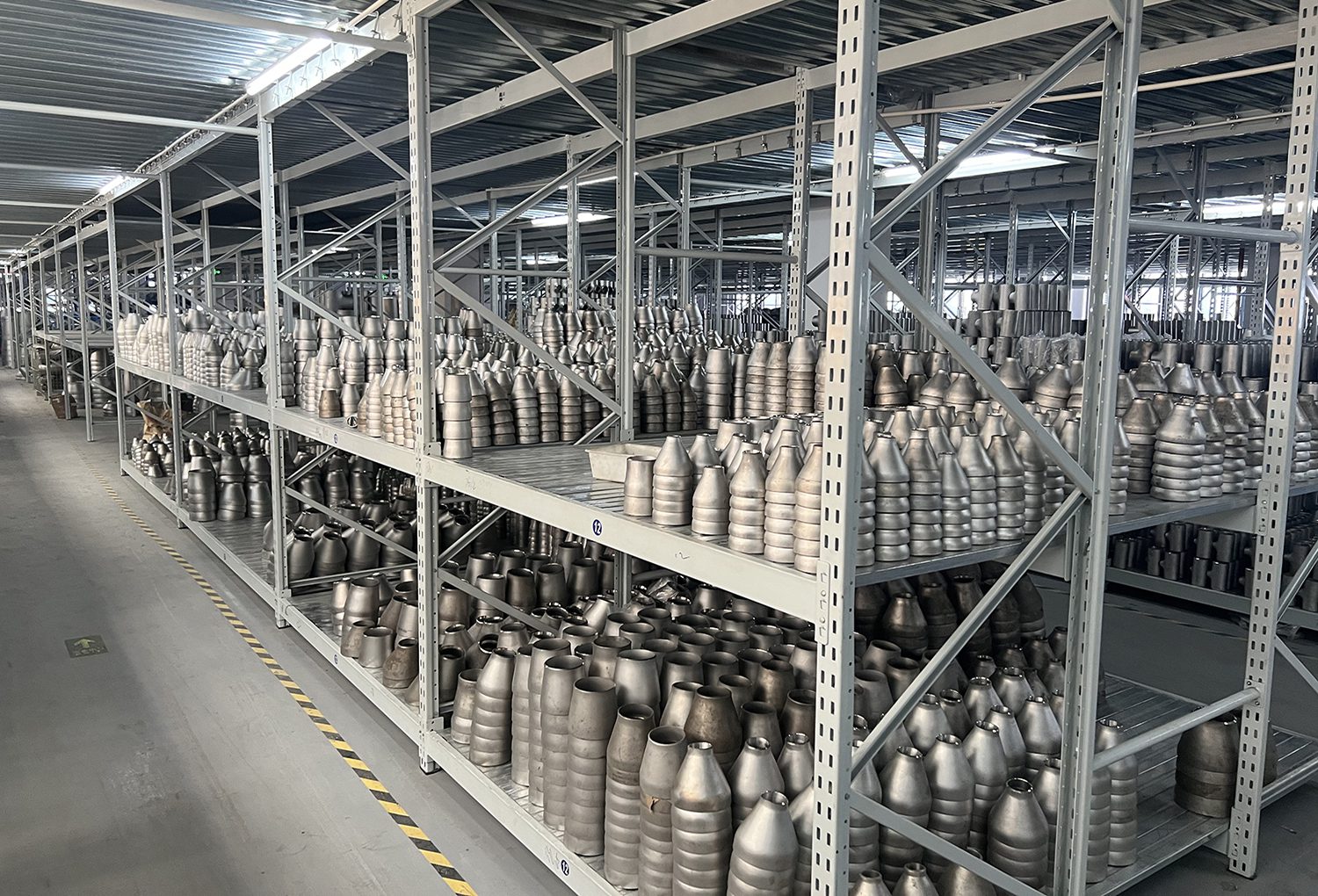
Reducers, also known as reducing fittings, are essential components in industrial piping systems, used to connect two pipes of different diameters. They are primarily categorized into concentric reducers and eccentric reducers.
These fittings are employed when there is a need to change the flow rate in a pipeline—either increasing or decreasing it—while maintaining a relatively consistent fluid velocity. By transitioning the pipe diameter smoothly, reducers help minimize turbulence, pressure drop, and potential erosion at the connection point.
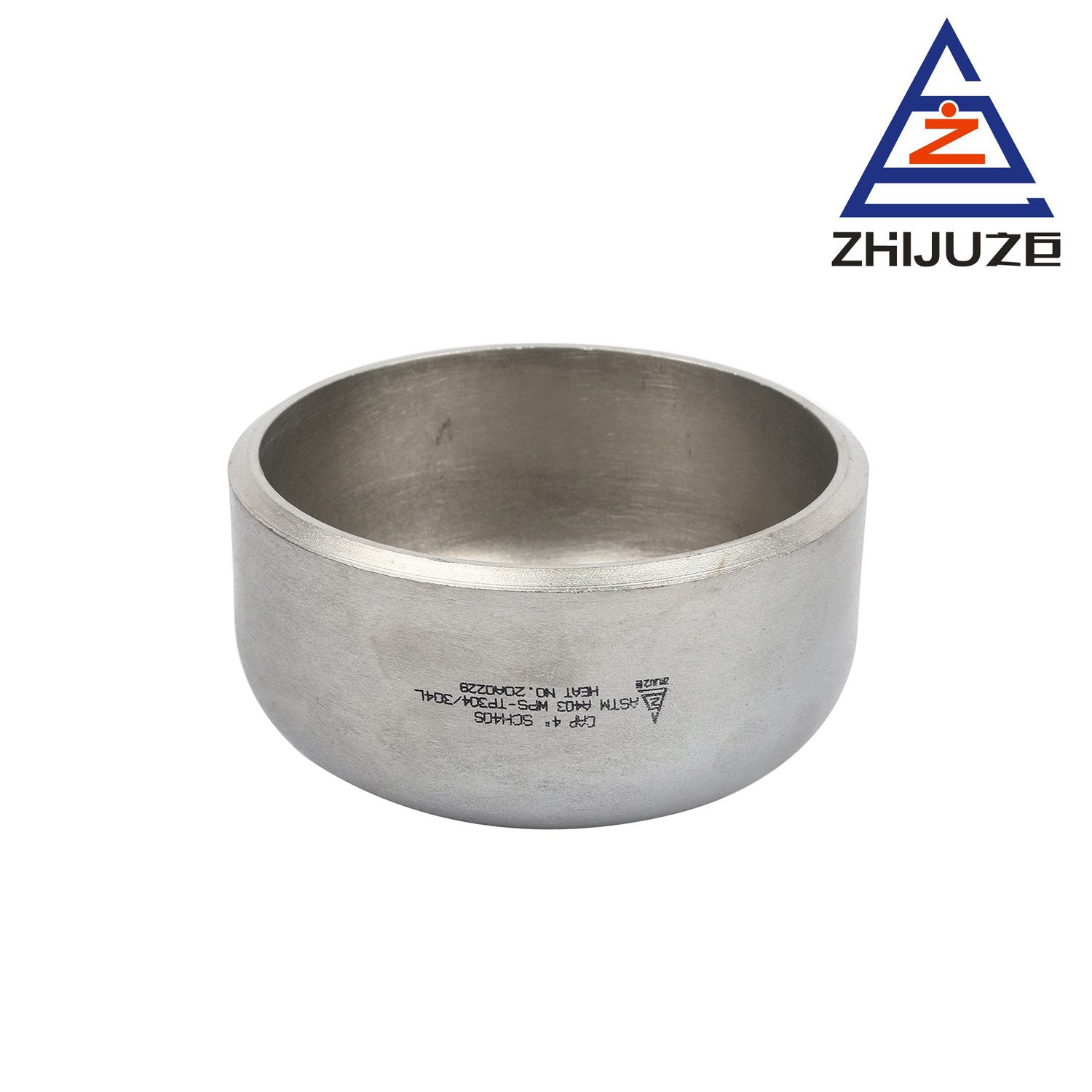
The Pipe Cap, also known as a pipe end cap or header, is a pipe fitting used to permanently or temporarily seal the end of a pipeline, providing isolation, containment, or system termination. According to shape and pressure-bearing capacity, it is mainly classified into elliptical, hemispherical, and flat (or conical) types. Among them, the elliptical cap is preferred for medium to high-pressure applications due to its optimal stress distribution; the hemispherical cap offers the highest pressure resistance; and the flat type facilitates vertical installation and structural support.
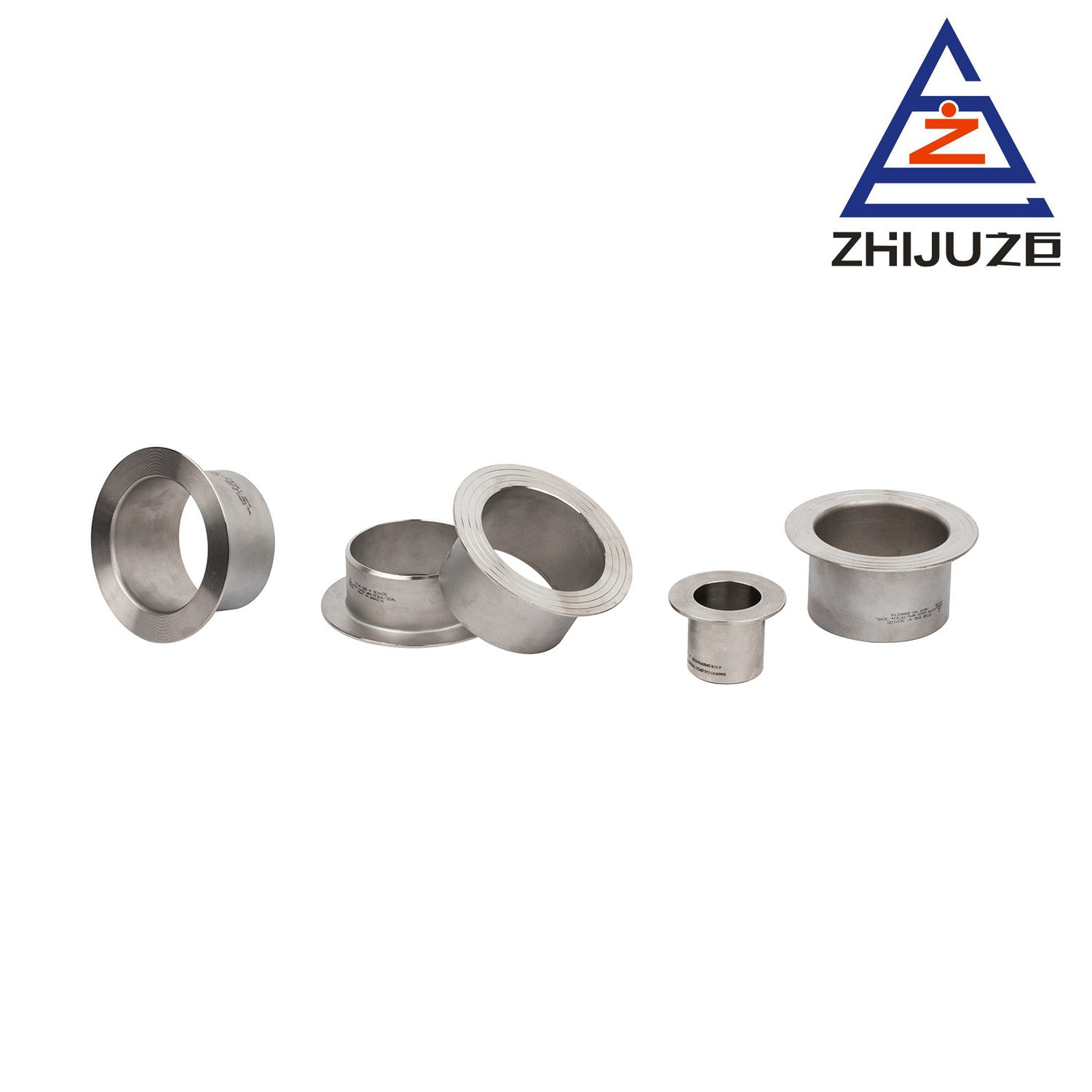
A stub end is produced by using specialized machinery to heat and form a flared end on a pipe, eliminating potential leakage issues associated with traditional methods like flange welding or heat-fused collar connections.
This product is suitable for high-pressure, high-wear pipelines requiring frequent disassembly, while also facilitating installation in challenging construction environments. When used with a lap joint steel flange, the assembly allows 360-degree rotation, addressing installation challenges in complex settings and providing cost savings for projects.
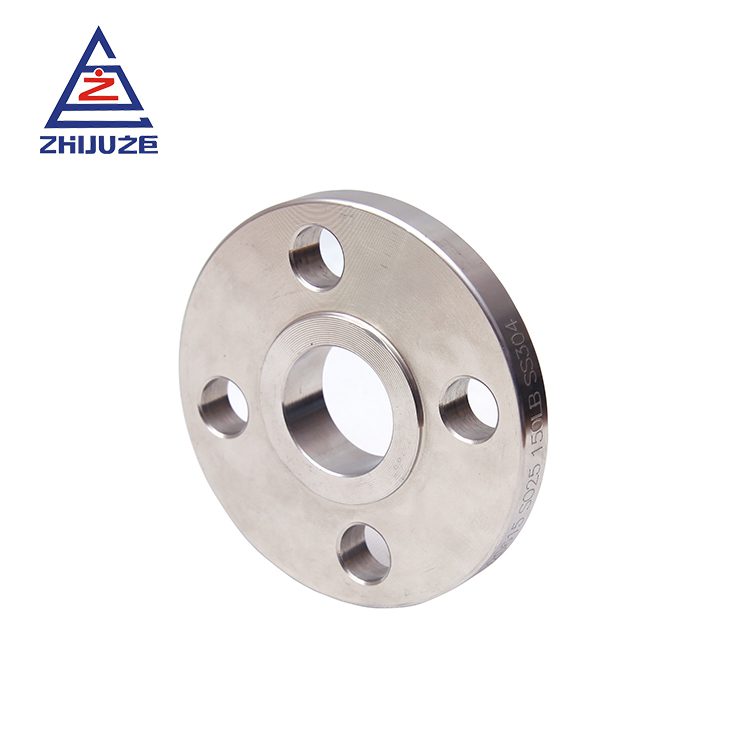
A flange connection involves fixing two pipes, fittings, or equipment to separate flange discs, which are then joined by placing a gasket between them and tightening with bolts. This method offers ease of use and the ability to withstand high pressure.
Types of Flange Connections:
Plate Flat Welding Flange (PL)、Slip-On Welding Flange (SO)、Weld Neck Flange (WN)、Socket Welding Flange (SW)、Threaded Flange (TH)、Blind Flange (BL)、Lap Joint Flange (LJF)、Spectacle Blind (Spacer and Blind)
Flanges are widely used in industries such as chemical, defense, medical, energy, power, and shipbuilding, providing reliable and versatile solutions for piping systems.
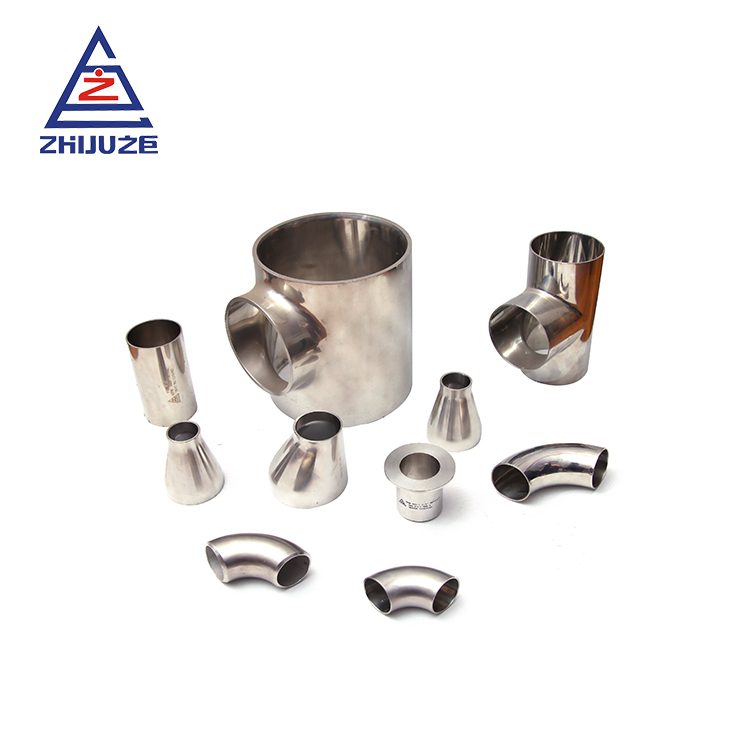
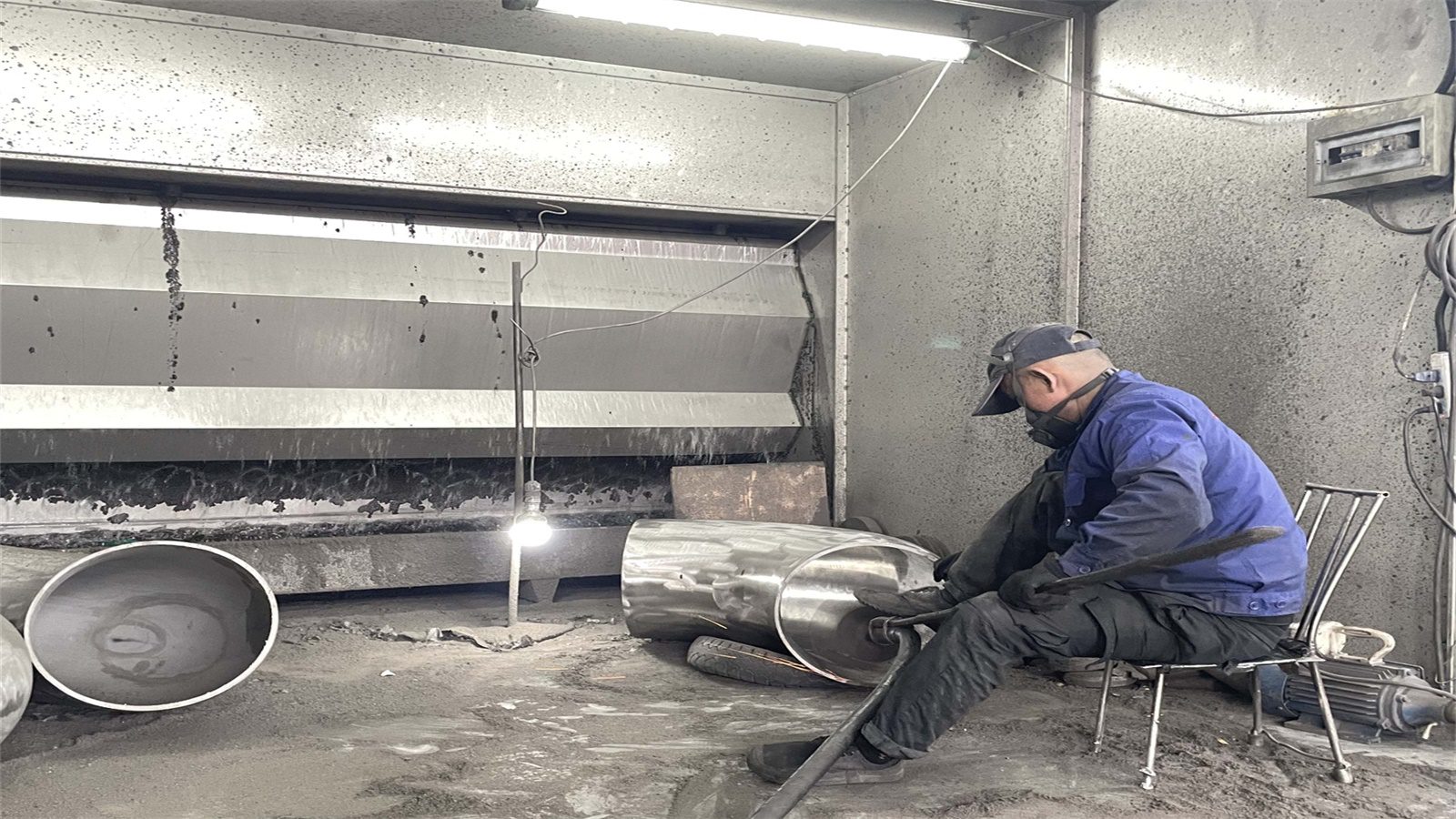
Engineered for highly corrosive, ultra-pure, and demanding industrial environments, these high-performance pipeline connectors surpass basic aesthetic requirements. Through precision polishing technology, they acquire exceptional physical and chemical properties, making them critical components for ensuring system safety, purity, and operational efficiency.
The superior surface characteristics significantly reduce equipment cleaning frequency and maintenance costs, ensuring production continuity and extending overall system service life.
This product series is certified by the EU PED and holds BV Factory Approval, among others. It is exported to dozens of countries and regions across Europe, the Americas, the Middle East, Southeast Asia, and Australia, and serves a wide range of industries including chemical, defense, medical, energy, power, and shipbuilding.



THE QUALITY IS THE SOUL OF AN ENTERPRISE
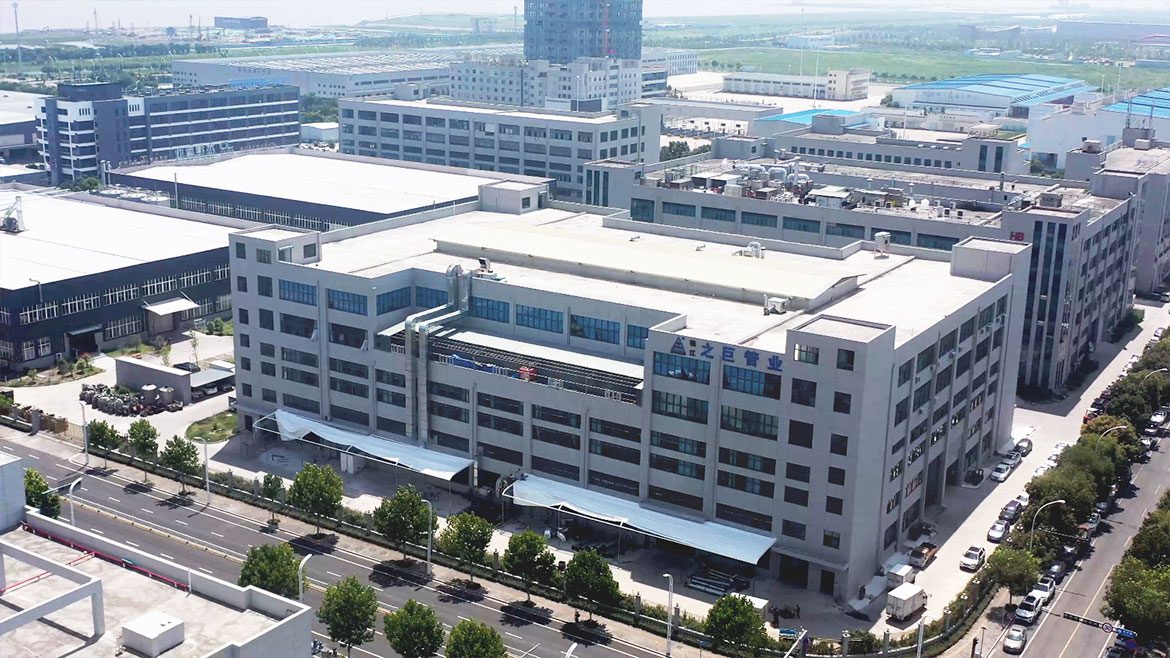
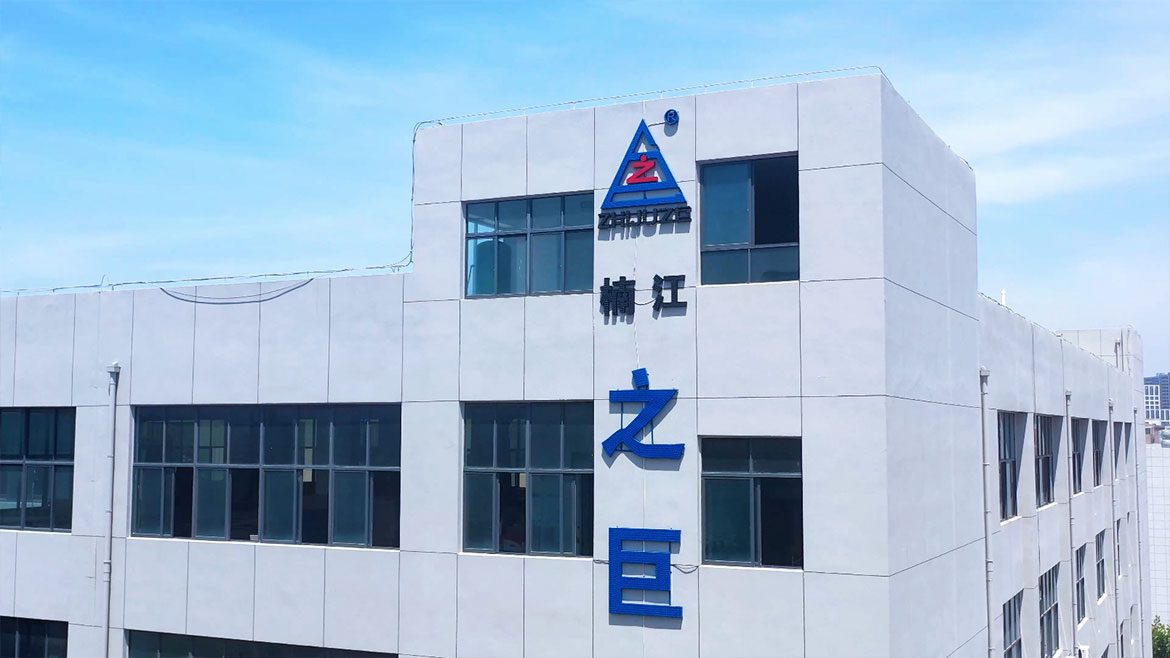
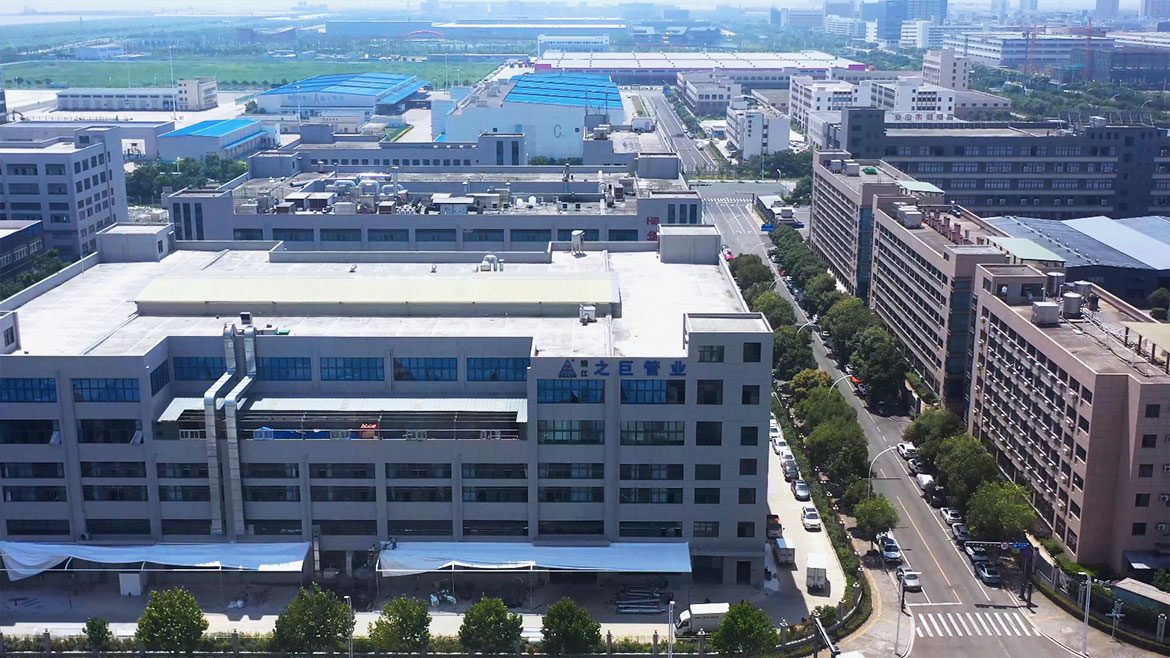
Zhejiang Zhiju Pipeline Industry Co., Ltd
Official Website: https://www.zhiju-steel.com
Privacy Policy
Copyright ZHEJIANG ZHIJU PIPELINE INDUSTRY CO., LTD SUPPORT BY :JUNJ
 Optimized by Seraphinite Accelerator