- Whatsapp: 8618958900507
- Email: [email protected]


In the world of industrial piping systems, the debate usually boils down to two heavyweights: the Slip On (SO) and the Weld Neck (WN). Choosing between stainless steel slip on flanges and their weld neck cousins isn’t just about picking a part off a shelf. It’s about the long-term safety of your facility. Pick the wrong one, and you’re looking at leaks or cracks when the pressure starts to climb.
 Design Features
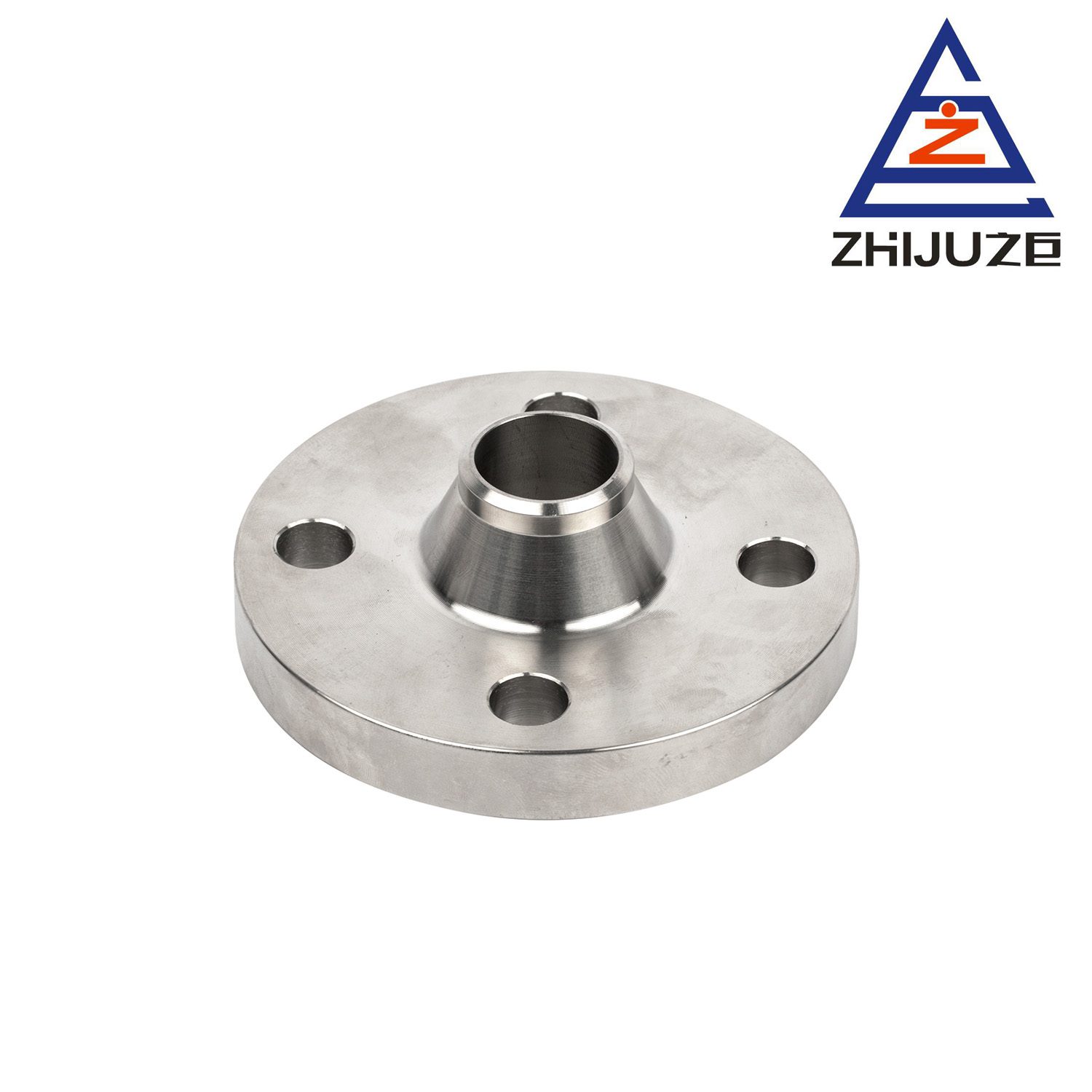
Think of the Weld Neck Flange as the athlete of the flange world. It features a prominent, tapered hub that looks like a funnel. This “neck” isn’t just for show; it acts as a bridge that gradually transfers mechanical stress from the flange itself directly into the pipe. It’s a smooth transition that prevents energy from bunching up in one spot.
Primary Advantages
When your pipes are carrying volatile media at a boil or enduring the freezing bite of liquid nitrogen, you need a WN. It is the gold standard for extreme temperatures and high-pressure environments. Because the transition is so gradual, it handles the “pull and push” of expanding metal without breaking a sweat.
Structural Integrity
The secret to its muscle is weld neck flange welding. This uses a butt-weld, meaning the flange and the pipe are fused together end-to-end. Once the welder finishes, the two pieces essentially become one continuous solid steel unit. This gives the joint incredible Structural Integrity, making it nearly impossible for the connection to fail under a heavy load.
 Design Features
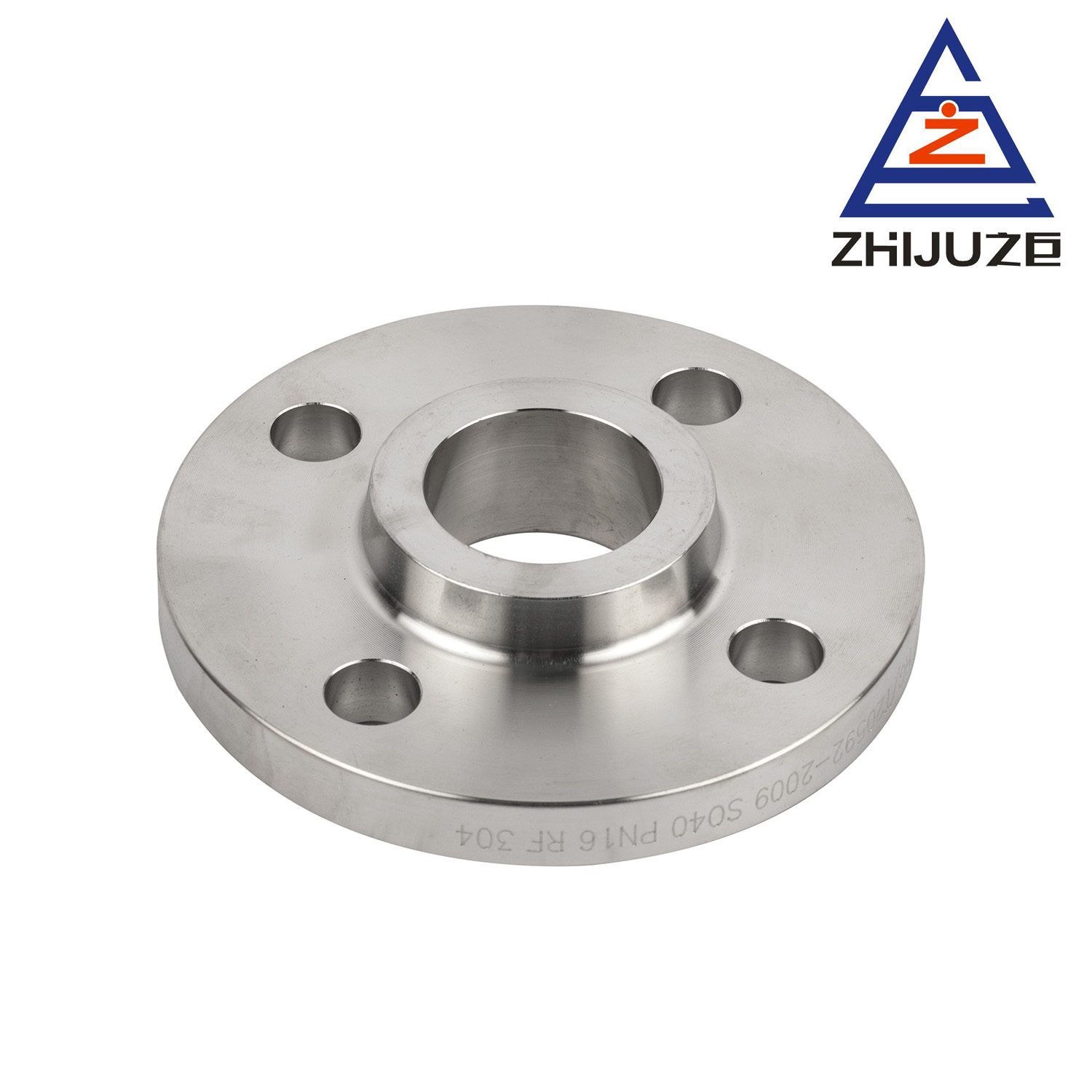
The Slip On Flange is much more straightforward. It’s essentially a flat ring with a slightly larger hole in the middle. You literally slip it over the pipe, like sliding a ring onto a finger. Instead of one big weld at the end, it requires two smaller “fillet welds”—one on the outside of the flange and one on the inside where the pipe ends.
Primary Advantages
Why do people love them? Alignment is a breeze. Since the pipe slides inside, you have plenty of wiggle room to get everything perfectly straight before you start welding. They are also much shorter than WN flanges, which is a lifesaver when you’re working in a tight corner of a factory where every inch of space counts. Plus, your initial purchase price is usually lower.
Limitations
While they are handy, they have a ceiling. Stainless steel slip on flanges are generally kept in the “shallow end” of the pool—usually Class 150 or 300. Because they don’t have that long hub to absorb shock, they aren’t great at handling heavy vibration resistance or high-pressure surges. They are perfect for water, oil, or air lines that stay relatively calm.
When you’re staring at a spec sheet trying to decide, keep these five mechanical differences in mind:
Connection Type
It’s a battle of welds. The Weld Neck uses a Butt-weld (fusing the ends), while the Slip On uses a Fillet-weld (layering metal on the joints). The butt-weld is significantly more robust and acts as a natural extension of the pipe wall.
Durability & Fatigue Strength
In a high-vibration environment, a Weld Neck is the marathon runner. Its Fatigue Strength is roughly three times higher than a Slip On. If your system is constantly pulsing or shaking, a Slip On might develop tiny “stress tears” at the weld point much sooner than a WN would.
Ease of Installation
The Slip On wins the speed race here. You don’t need to spend hours perfectly beveling the pipe end to match the flange. You just cut the pipe square, slide it in, and weld. It’s “forgiving” for workers in the field who need to get the job done fast.
Inspection & NDT Compatibility
This is a big one for safety managers. Because a Weld Neck uses a butt-weld, you can easily use X-ray (radiographic) testing to look inside the metal and check for bubbles or cracks. With a Slip On, the way the welds are positioned makes it nearly impossible to get a clear X-ray, meaning you’re often left guessing about the internal quality of the weld.
Pressure & Temperature Ratings
Think of it as a weight limit. If you’re going above 700°F or pushing thousands of pounds of pressure, the Weld Neck is your only safe bet. Slip-ons are fantastic for standard utility lines, but they aren’t built for the “dragon-fire” conditions of a heavy chemical refinery.
| Difference | Weld Neck Flange | Slip On Flange |
| Connection Type | Butt-weld (fusing the ends); acts as an extension of the pipe wall. | Fillet-weld (layering metal on the joints). |
| Durability | Fatigue strength is roughly three times higher. | May develop “stress tears” at weld points. |
| Installation | Requires hours of perfect beveling to match the pipe end. | Faster and more “forgiving”; just cut the pipe square and slide it in. |
| Inspection | Compatible with X-ray (radiographic) testing for internal quality. | Positioning makes it nearly impossible to get a clear X-ray. |
| Ratings | Safe for conditions above 700°F and high pressure. | Best for standard utility lines; not built for extreme refinery conditions. |
Initial Purchase Price
If you just look at the invoice from the forged stainless steel supplier, the Slip On looks like the clear winner. It’s lighter, uses less raw material, and is cheaper to manufacture. For a large project with miles of low-pressure pipe, those savings add up fast.
Total Installed Cost
Here is the “hidden” catch: labor. A Slip On requires two welds (inside and outside), while a Weld Neck only needs one. You also have to weld the inside of the SO carefully so you don’t damage the flange face. Sometimes, the extra time your welder spends on those two seams actually eats up the money you saved on the part itself.
Long-term Value
If you are working in a salty or acidic environment, choosing a TP316L Weld Neck Flange is a smart move. Because the butt-weld is so smooth, there are no “nooks and crannies” for corrosive fluids to hide in. A Slip On has a small gap between the pipe and the flange where gunk can settle and eat through the metal over time. Spending more now prevents a massive cleanup bill five years later.
Is a Weld Neck flange stronger than a Slip On flange?
Yes. Its tapered hub reduces stress concentration, making it significantly stronger under high pressure and heavy vibration.
Can I replace a Weld Neck with a Slip On to save money?
Only in low-pressure systems (Class 150/300). Never swap them in high-temp or high-pressure lines—it’s a major safety risk.
Which flange type is better for hazardous or explosive media?
Weld Neck. The butt-weld is easier to inspect and far more reliable for containing dangerous fluids.
Can Slip On flanges be used in high-vibration systems?
Usually no. They lack the structural hub to handle constant shaking, which can lead to weld cracks over time.
Selecting the right flange keeps your business running smoothly and your team safe. Use Weld Necks for the tough, high-stakes jobs involving heat and pressure. Save the Slip-ons for your reliable, everyday utility lines. If you’re still unsure which connection fits your project, contact our engineering team today to find your perfect match.

THE QUALITY IS THE SOUL OF AN ENTERPRISE
Zhejiang Zhiju Pipeline Industry Co., Ltd
Official Website: https://www.zhiju-steel.com
Privacy Policy
Copyright ZHEJIANG ZHIJU PIPELINE INDUSTRY CO., LTD SUPPORT BY :JUNJ