- Whatsapp: 8618958900507
- Email: [email protected]


Unlike duplex 2205, which is built for high-chloride service (see our Duplex 2205 article), TP904L is a grade designed specifically for reducing acids — sulfuric and phosphoric acid above all. What sets it apart is 1–2% copper, which gives it resistance to reducing acids. What it does not have is strength: its yield strength is only about 220 MPa. In short, it is a specialist for acid service. Below we cover why its corrosion resistance rides on copper, where it belongs, and where it does not.
Start with the composition: chromium 19–23%, nickel 23–28%, molybdenum 4–5%, copper 1–2%, carbon ≤0.020%.* Most people assume an alloy’s identity comes from its chromium, molybdenum and nickel. What actually makes 904L 904L is that 1–2% copper.
*Per ASTM B625 / B366 composition limits.
That copper does one specific job: it improves resistance to reducing acids — sulfuric and phosphoric acid in particular. The chromium-molybdenum route handles chloride pitting instead. These are two different corrosion pathways.
High nickel and molybdenum push the PREN to roughly 32–38 (calculated, for ranking only), and the ultra-low carbon (≤0.020%) means sensitization does not occur — so no post-weld stabilization or anneal is normally needed. That is a real convenience for fabrication and on-site work, but it is the copper that carries the grade’s defining job.
That is why “higher alloy = more versatile” is the costliest misunderstanding in material selection.
904L’s design target is reducing acids — sulfuric and phosphoric. Its common range is roughly 20–80% sulfuric acid (not a fixed limit — temperature and concentration both move it, and it needs engineer verification). Typical components are piping, storage tanks and heat exchangers; for phosphoric acid, reactors and transfer lines.
A practical advantage: in wet-process phosphoric acid carrying chloride and fluoride impurities, 904L keeps its resistance — impurities are the norm there.
Why copper works: sulfuric acid is a reducing acid, so the chromium-molybdenum passive film is not stable enough in it, and copper changes the surface electrochemistry.
Tip: when you enquire, give concentration and temperature together — the same grade behaves very differently in 20% versus 80% sulfuric acid.
These three are not low, medium and high tiers — they are three different paths.
One point worth flagging: 904L’s PREN (roughly 32–38) is close to duplex 2205’s (roughly 34–38), but they solve different problems — close numbers do not mean interchangeable grades.
| 316L | TP904L (N08904 / 1.4539) | 6Mo (e.g. 254SMO) | |
| Molybdenum | 2–3% | 4–5% | ~6% |
| Nickel | ~12% | 23–28% | High |
| Copper | None | 1–2% — the differentiator | None |
| PREN (calculated) | ~24–26 | ~32–38 | ≥43 |
| Strong in | General chloride service | Sulfuric / phosphoric acid | Hot or stagnant seawater |
| Weak in | Acid service | Hot seawater; strength duty | Acid service economics |
| Fitting standard | ASTM A403 | ASTM B366 | High-alloy standards |
PREN figures are calculated from composition ranges and used for ranking only — similar PREN values do not mean interchangeable grades.
904L handles chloride environments only to a point — hot seawater is not its strong suit. Moderate-temperature seawater (roughly below 40 °C) is fine; in hot or stagnant seawater the crevice-corrosion risk climbs, and copper does nothing for chloride pitting. That is where a 6Mo grade takes over.
Its strength is also modest: yield about 220 MPa, against roughly 170–205 MPa for 316L and about 450 MPa for duplex (go by the MTR). When acid, chloride and strength all come together, 904L comes up short on two fronts — that is super duplex 2507 or higher territory.
In short, do not use 904L to solve a strength problem.
Get the standard right: 904L fittings are specified to ASTM B366 (nickel and high-alloy fittings), not A403 — a wrong standard number can get you quoted against a different product.
Low carbon helps fabrication: C ≤ 0.020%, so sensitization does not occur and post-weld stabilization is normally unnecessary.
Ask about welding consumables: which matching filler metal the supplier uses, and whether a WPS is in place.
Forming window: 904L’s high alloy content makes its hot-working and forming window narrower than 304’s — a shop with 904L experience is not the same as one without. Ask about their track record on the grade.
The first thing you notice about 904L is the cost. What makes it expensive: nickel and molybdenum — 23–28% nickel is a lot, and nickel is a futures commodity, so the price moves.
Where it pays back: the medium really is sulfuric or phosphoric acid (316L does not hold up); shutdown costs are high; or wet-process phosphoric acid carries chloride and fluoride impurities.
Where it does not: the medium is seawater or chloride (the wrong direction); low-concentration, non-critical lines at ambient temperature (316L is enough); or you need strength.
A practical tip: hand your supplier four parameters — medium, concentration, temperature and impurities — and let them make the call. It beats picking from a grade table by yourself.
Common operating scenarios:
The common thread is acid. If your keyword is chloride, see our Duplex 2205 article.
Before you order, sort your service into one of four buckets:
| Service | Look at |
| Chloride high, temperature moderate | Duplex 2205 |
| Sulfuric or phosphoric acid | TP904L (this grade) |
| Hot or stagnant seawater | 6Mo / 254SMO |
| Acid + chloride + strength together | Super duplex 2507 or above |
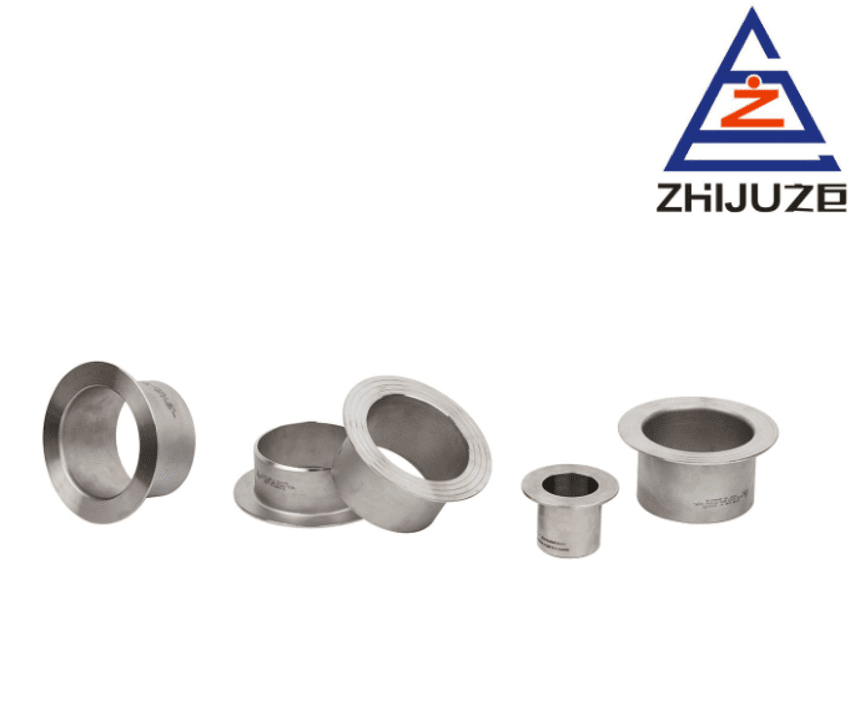
ZHIJU data: our fitting range covers TP304L / 316L / 310 / duplex 2205 and super duplex 2507 — confirm the current range at the time of enquiry.
Tell us the acid type, concentration, temperature and impurities. We will help you route it — acid side or chloride side — and confirm which grade the duty calls for.
Q1. Is 904L just a more expensive version of 316L?
No — they solve different problems. 316L carries 2–3% molybdenum and no copper, and it handles general chloride service at moderate temperature. TP904L carries 4–5% molybdenum, 23–28% nickel and 1–2% copper — and the copper is what gives it resistance to reducing acids, sulfuric and phosphoric in particular. In sulfuric service, 316L does not hold up. In hot seawater, that copper buys you nothing. Pick by mechanism, not by price.
Q2. Can 904L be used in seawater?
In moderate-temperature seawater, yes — roughly below 40 °C. Above that, or in stagnant conditions where crevice corrosion risk climbs, it is generally upgraded to a 6Mo super-austenitic such as 254SMO. Be precise about this one: chloride pitting and acid attack are different mechanisms, and a grade designed for one does not automatically cover the other.
Q3. What should I specify when ordering 904L fittings?
Two things get missed. First, the standard — 904L fittings are specified to ASTM B366, not the A403 used for standard austenitic grades; write the wrong number and you may be quoted a different product. Second, the full service picture: acid type, concentration, temperature, and what impurities are present. 904L keeps its resistance in wet-process phosphoric acid even with chlorides and fluorides in it — but only if the supplier knows they are there.

THE QUALITY IS THE SOUL OF AN ENTERPRISE
Zhejiang Zhiju Pipeline Industry Co., Ltd
Official Website: https://www.zhiju-steel.com
Privacy Policy
Copyright ZHEJIANG ZHIJU PIPELINE INDUSTRY CO., LTD SUPPORT BY :JUNJ
 Optimized by Seraphinite Accelerator