- Whatsapp: 8618958900507
- Email: [email protected]


Low-temperature piping projects pose extreme challenges: sub-zero temperatures, thermal contraction, material brittleness, and corrosion risks all threaten system integrity. At the heart of these systems lies the tee—a fundamental pipe tee that splits, combines, or redirects fluid flow. The performance of a piping system hinges directly on choosing the right tee. Poor selection leads to cracking, leaks, and costly downtime. Understanding selection principles of tee fittings for low-temperature piping projects is essential for safe, durable, and efficient cold-weather pipelines.

Low-temperature pipe tees are purpose-built for frigid environments, typically ranging from -20°C down to cryogenic levels (-196°C). Unlike standard tees, they must deliver exceptional low-temperature toughness, impact resistance, and corrosion stability. Common materials include cryogenic-grade stainless steel, low-temperature carbon steel, and specialized alloys. These tees withstand extreme thermal cycling and maintain tight connections, even under severe contraction. Whether for cryogenic gas lines, refrigeration circuits, or cold storage networks, a properly selected pipe tee ensures uninterrupted operation.
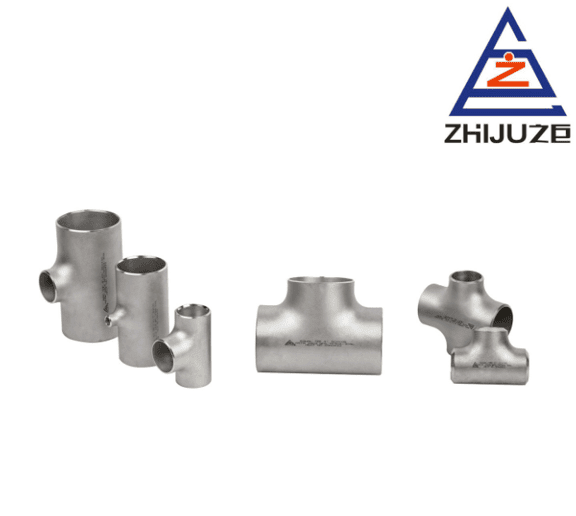
Three tee types dominate cold applications:
Equal Tee: Equal port diameters, for balanced flow splitting.
Reducing Tee: Different inlet/outlet sizes, for connecting mismatched pipes.
Stainless Steel Tee: High corrosion resistance and low-temperature ductility.
Equal Tee: Cryogenic gas distribution, chilled water circulation.
Reducing Tee: Industrial cold piping with size transitions.
Sanitary Tee: Food/pharmaceutical cold lines requiring hygienic surfaces.
Low-temperature toughness: Resist brittle fracture at minimum operating temperature.
Impact resistance: Withstand shock loads.
Corrosion resistance: Resist moisture-induced rust.
Pressure rating: Match system design pressure.
Temperature rating: Select materials certified for your minimum temperature.
Fluid compatibility: Resist cryogens, chilled water, or chemicals.
Installation type: Adapt to buried, exposed, or insulated layouts.
Choosing a pipe tee requires methodical decision-making. First, define the minimum operating temperature and fluid type. Second, select the tee style: equal tee for balanced flow, reducing tee for size transitions, or stainless steel tee for corrosive cold environments. Third, verify material certification and mechanical properties. Finally, match dimensions and pressure ratings. Following how to choose suitable pipe tee for low-temperature pipeline engineering minimizes risk.
304L: Cost-effective for -40°C applications.
316L: Superior corrosion resistance for wet cold systems.
321: Excellent stability for extreme cryogenic conditions.
Material certificate: Confirm cryogenic compliance.
Charpy impact test: Verify low-temperature toughness.
Surface finish: Smooth surfaces reduce stress risers.
This low temperature resistant stainless steel tee selection guide simplifies material choices.
Main port: Match main pipe OD/ID.
Branch port: Align with branch pipe dimensions.
Diameter ratio: Maintain stable flow transition.
Seamless construction is preferred. Sharp corners create stress concentrations at cold temperatures. Choose ductile materials and smooth transitions. Key factors for selecting reducing tee in cold environment piping include ductility and geometry.
Sanitary tee is used in food, beverage, and pharmaceutical cold systems. Its polished, crevice-free surface prevents bacterial growth and residue buildup.
Material: 316L stainless steel.
Surface finish: Ra ≤ 0.8 μm.
Connections: Tri-clamp or welded for sanitation.
Sanitary tee application and selection for low-temperature piping systems balances hygiene and cold resistance.

Preheat fittings slightly before installation.
Use cold-resistant gaskets and sealants.
Avoid over-tightening to prevent cracking.
Insulate joints to stabilize temperature.
Using standard tees in sub-zero service.
Selecting non-cryogenic grades.
Ignoring corrosion in humid cold areas.
Poor size matching causing flow instability.
What is the best material for low-temperature tees?
Cryogenic-grade 304L/316L stainless steel offers balanced toughness and cost.
Can reducing tees be used in cryogenic systems?
Yes, use seamless reducing tee with smooth transitions.
Why choose sanitary tee for cold food lines?
Polished surfaces prevent contamination.
Is ZHIJU a reliable supplier for low-temperature tee fittings?
Yes. ZHIJU produces high-performance tee, pipe tee, reducing tee, and stainless steel tee designed for cold environments, meeting strict cryogenic standards.
Low-temperature piping success depends on informed tee selection. From equal tee to reducing tee, stainless steel tee, and sanitary tee, every choice must align with temperature, fluid, and environment. Adhering to selection principles of tee fittings for low-temperature piping projects ensures safe, long-lasting cold pipelines. ZHIJU delivers reliable low-temperature tee solutions. If you need help selecting the right tee or customizing cold piping fittings, contact our team today for expert consultation.

THE QUALITY IS THE SOUL OF AN ENTERPRISE
Zhejiang Zhiju Pipeline Industry Co., Ltd
Official Website: https://www.zhiju-steel.com
Privacy Policy
Copyright ZHEJIANG ZHIJU PIPELINE INDUSTRY CO., LTD SUPPORT BY :JUNJ