- Whatsapp: 8618958900507
- Email: [email protected]


Industrial piping systems rely on countless small yet indispensable components, and the cap stands out as one of the most critical. Whether for oil, gas, chemical, or water pipelines, a well-selected cap seals pipe ends, shields internal structures, and prevents costly leaks or contamination. Many system failures trace back to poor cap choices or inadequate sealing. Understanding different types of pipe cap and their functional advantages empowers engineers and procurement teams to make informed decisions. From low-pressure water lines to high-pressure industrial networks, the right cap ensures long-term operational safety and efficiency.
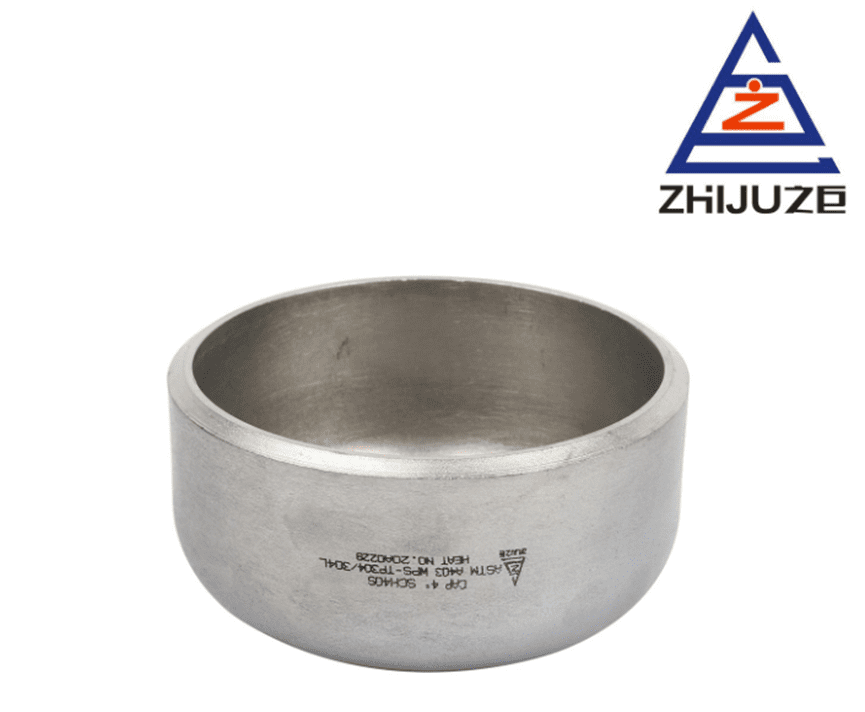
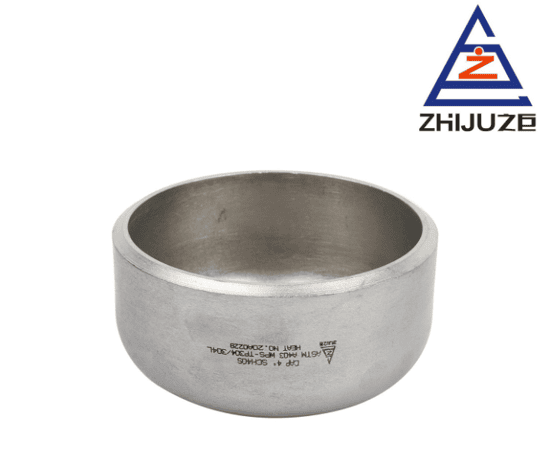
A pipe cap, also known as an end cap or pipe plug, is a fitting designed to close the end of a pipe permanently or temporarily. Its core roles are straightforward yet vital:
Seal pipe ends to stop fluid leakage
Block dust, moisture, and debris from entering pipes
Protect exposed threads and weld joints
Reduce stress at pipe terminals
Maintain pressure balance in closed systems
Pipes are most vulnerable at open ends. A reliable cap acts as a robust barrier, preserving the pipeline’s structural integrity and operational performance.
Pipe caps are classified by connection method, material, and shape, each tailored for specific scenarios:
Butt weld caps: Welded directly to pipe ends; ideal for high-pressure industrial systems
Socket weld caps: Inserted and welded; suited for medium-pressure lines
Threaded caps: Screwed on; easy for temporary closure
Stainless steel caps: Corrosion-resistant; perfect for chemical or food-grade pipelines
Steel caps: High-strength; common in heavy-duty industrial applications
Among all options, butt weld pipe cap remains the top choice for critical industrial piping.
Butt weld end cap comes in several standard shapes, each with unique strengths:
Hemispherical cap: Dome-shaped; highest pressure resistance
Elliptical cap: Balanced strength and cost
Dish cap: Shallow dome; economical for low-pressure lines
Flat cap: Simple; for low-pressure or temporary use
Each style aligns with specific pressure and flow requirements.
Buttweld end cap features a seamless, one-piece design welded directly to the pipe. This eliminates weak points like threads or gaskets. The uniform structure distributes stress evenly, making it highly durable under extreme pressure and temperature fluctuations.
Weld on pipe caps steel creates a permanent, leak-proof bond. Unlike threaded caps, welded joints do not loosen from vibration or thermal cycling. This ensures zero leakage in high-pressure or hazardous fluid systems.
Butt weld caps are engineered for extreme pressure, often exceeding 10,000 psi. Their solid construction and full-penetration welds make them ideal for oil, gas, and power plant pipelines.
Stainless buttweld caps are available in grades 304, 316, and duplex:
304: General-purpose; cost-effective
316: Superior acid and salt resistance
Duplex: High strength and corrosion resistance
Stainless steel buttweld caps excel in corrosive environments. They resist rust, chemicals, and oxidation, making them perfect for chemical processing, food production, and marine pipelines.
Steel buttweld caps are forged from high-grade carbon steel. They offer exceptional mechanical strength and toughness, resisting deformation and cracking under heavy loads.
Steel buttweld caps deliver a robust, permanent seal. Their welded connection eliminates gaps, ensuring tight closure for industrial pipelines.
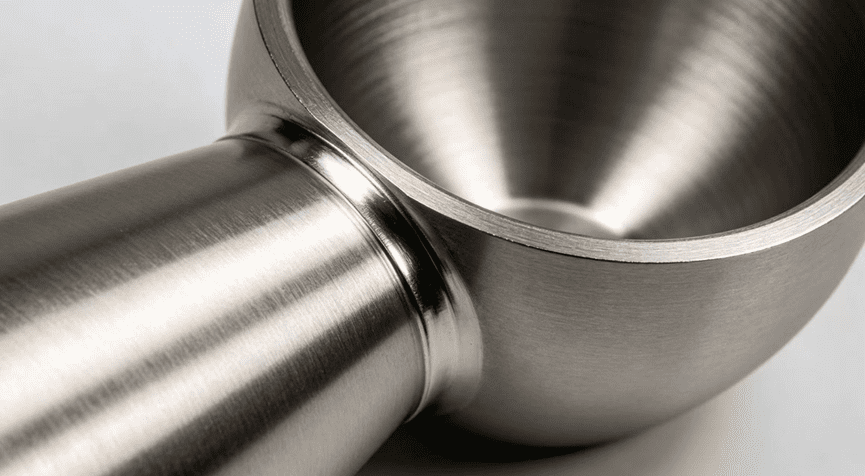
Choosing the right buttweld end cap requires evaluating:
Operating pressure and temperature
Fluid type (corrosive or non-corrosive)
Pipe material and size
Installation environment
How to choose right buttweld end cap effectively:
High pressure → hemispherical butt weld pipe cap
Corrosive fluid → stainless steel buttweld caps
Low cost → steel buttweld caps
Low pressure → dish or flat cap
What’s the main difference between butt weld and threaded caps?
Butt weld caps offer permanent, high-pressure sealing; threaded caps are temporary and lower pressure.
Which cap is best for chemical pipelines?
Stainless steel buttweld caps provide superior corrosion resistance.
Can steel buttweld caps be used outdoors?
Yes, with proper anti-corrosion coating.
Does ZHIJU supply reliable buttweld caps?
Yes. ZHIJU produces high-quality butt weld caps, stainless steel buttweld caps, and steel buttweld caps for industrial pipelines.
Pipe caps are foundational to pipeline safety. From basic cap to high-performance butt weld pipe cap, each type serves critical roles. Types and functional benefits of butt weld pipe caps include unrivaled sealing, pressure resistance, and durability. Stainless steel buttweld caps shine in corrosive environments, while steel buttweld caps balance strength and cost. Selecting the right cap ensures long-term pipeline reliability.
ZHIJU offers a full range of premium pipe caps. If you need help selecting the right cap for your piping project, contact our team for expert consultation.

THE QUALITY IS THE SOUL OF AN ENTERPRISE
Zhejiang Zhiju Pipeline Industry Co., Ltd
Official Website: https://www.zhiju-steel.com
Privacy Policy
Copyright ZHEJIANG ZHIJU PIPELINE INDUSTRY CO., LTD SUPPORT BY :JUNJ