- Whatsapp: 8618958900507
- Email: [email protected]


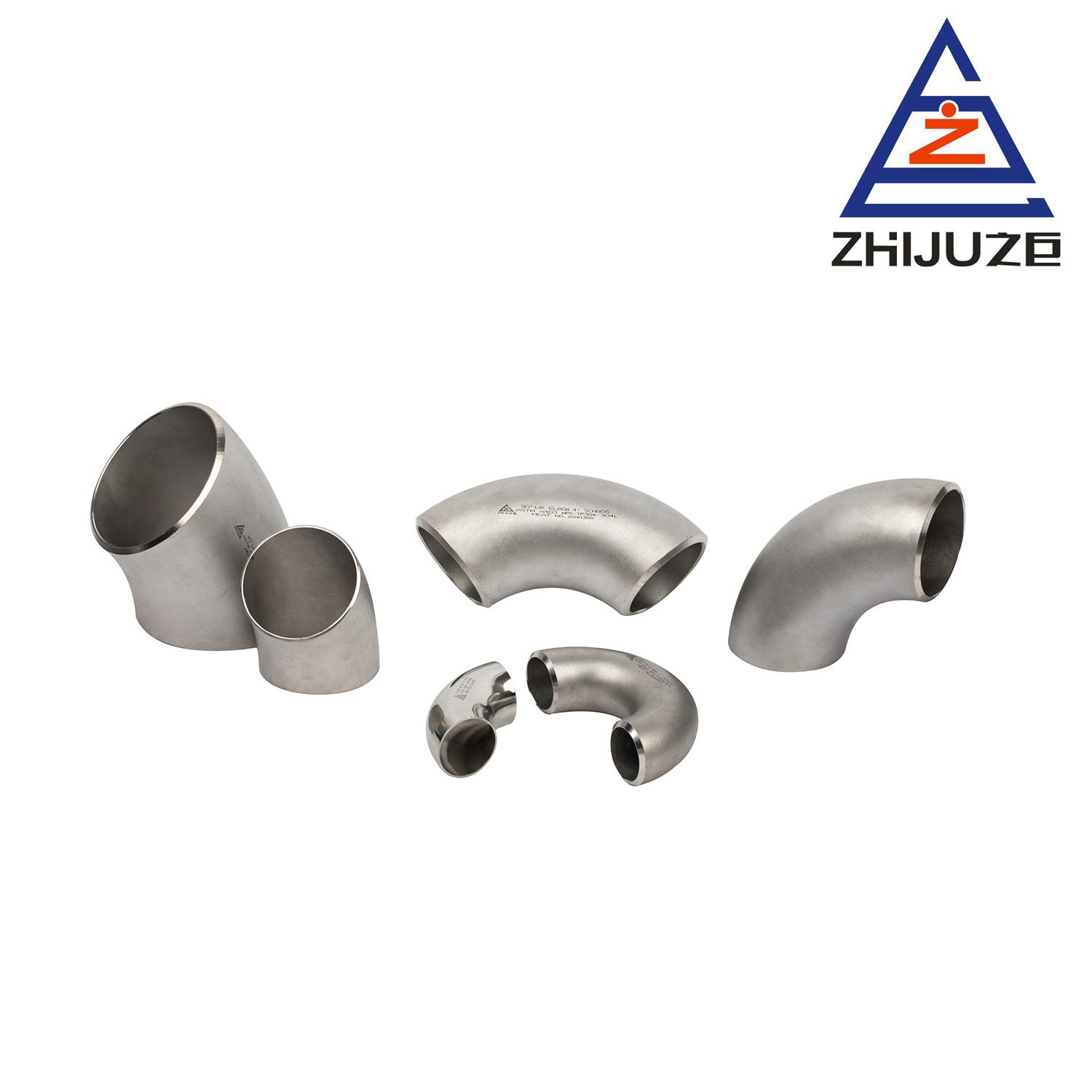
Stainless steel elbow fittings are known for their durability and corrosion resistance, but they are not immune to rust. If you’ve noticed your fittings rusting, it’s important to understand why it happens and how to prevent it. In this article, we will break down the causes of rust and share practical tips to keep your stainless steel elbow fittings in top condition.
 What Causes Rust on Stainless Steel Elbow Fittings?
 Stainless steel is designed to resist corrosion due to a protective chromium oxide layer. However, this layer can be damaged by several factors:
Exposure to Chlorides: Saltwater or even certain cleaning agents can cause rust by breaking down the protective layer.
Improper Cleaning Methods: Harsh cleaning chemicals or abrasive materials can scratch the surface, allowing moisture to penetrate.
Mechanical Damage: Any physical damage to the elbow fitting, such as scratches or dents, can compromise the integrity of the stainless steel.
Environmental Factors: Outdoor installations in harsh weather conditions can result in rust if not properly maintained.
Stainless steel relies on a thin chromium oxide layer for its corrosion resistance. Here’s a breakdown of how it works:
| Factor | Impact on the Chromium Oxide Layer |
|---|---|
| Salt Exposure | Breaks down the oxide layer over time. |
| Acidic Environments | Weakens the protective layer, causing rust. |
| Physical Damage | Scratches can expose raw steel to corrosion. |
| Temperature Variations | Extreme heat and cold cycles can weaken the layer. |
| Poor Maintenance | Failure to clean properly allows corrosion to set in. |
Preventing rust is all about proper maintenance and taking proactive measures:
Regular Cleaning: Clean the fittings with mild soap and water, using a soft cloth. Avoid abrasive materials or harsh chemicals.
Use Protective Coatings: Consider applying a protective layer like a stainless steel cleaner or wax, which helps maintain the chromium oxide barrier.
Proper Installation: Ensure that the fittings are installed correctly, with proper sealing to avoid exposure to moisture.
Regular Inspections: Periodically check the fittings for signs of wear, scratches, or corrosion. Early detection can prevent bigger issues down the line.
Control the Environment: If the fittings are exposed to harsh elements, consider installing them in sheltered areas or using protective coverings.
Not all stainless steel elbow fittings are created equal. Depending on the grade and material composition, the rust resistance can vary. Here’s what to know:
304 Stainless Steel: Commonly used for its balance of corrosion resistance and cost-effectiveness. However, it’s not ideal for saltwater or high chloride exposure.
316 Stainless Steel: Better resistance to rust, making it ideal for marine environments or industrial use with harsh chemicals.
Duplex Stainless Steel: Offers even greater corrosion resistance, especially in extreme environments.
If you spot rust on your stainless steel elbow fittings, don’t panic. Here are some simple steps to take:
Clean the Rust: Use a mild abrasive pad and some vinegar or baking soda to gently scrub off the rust.
Polish the Surface: After cleaning, polish the fitting to restore the shine and reinforce the protective layer.
Replace Damaged Parts: If the rust has spread significantly or there’s extensive damage, replacing the elbow fitting may be necessary to ensure long-term performance.
Rust on stainless steel elbow fittings can be frustrating, but with proper care and understanding of the causes, you can prevent it from happening. Regular maintenance, proper installation, and selecting the right grade of stainless steel can make a huge difference. Don’t let rust get the best of your fittings—take proactive steps to keep them in top shape. Need durable, corrosion-resistant fittings? Choose ZHIJU for your next purchase. We provide top-quality products that are built to last, even in the harshest environments.
Why is my stainless steel elbow fitting rusting despite regular cleaning?
It could be due to exposure to chlorides or harsh cleaning agents that damage the protective layer.
Can I prevent rust with a protective coating?
Yes, applying a protective coating can help maintain the corrosion-resistant layer on stainless steel.
Is 316 stainless steel more rust-resistant than 304?
Yes, 316 is more resistant to rust, especially in environments with high chloride exposure.
How often should I clean my stainless steel elbow fittings?
Cleaning them once every few months should be sufficient, but more frequent cleaning may be necessary if exposed to harsh conditions.
Can rust damage my stainless steel fittings permanently?
Rust can weaken the metal if left untreated, but with proper maintenance, the damage can often be mitigated.

THE QUALITY IS THE SOUL OF AN ENTERPRISE
Privacy Policy
Copyright ZHEJIAGN ZHIJU PIPELINE INDUSTRY Co.,Ltd SUPPORT BY :JUNJ