- Whatsapp: 8618958900507
- Email: [email protected]


A piping system is only as strong as its weakest link. While the pipe itself might withstand high pressures, the failures—leaks, cracks, and blowouts—almost always happen at the connection points.
For engineers designing small bore piping connections (typically 2 inches and smaller), the choice often comes down to two options: Threaded or Socket Weld. For larger, critical lines, the debate shifts to Butt Weld.
At Zhiju Steel, we manufacture fittings for all three connection types. However, we often see customers specifying the wrong connection for their application, leading to maintenance nightmares later.
This guide compares Socket Weld vs. Threaded vs. Butt Weld fittings, helping you choose the right pipe fitting connection based on pressure, media, and installation costs.
 2. Threaded Connections: The “No-Weld” Solution
Threaded connections are the oldest and simplest method of joining piping systems. They use mechanical threads (NPT or BSPT) to seal the joint.
Best For: Low-pressure systems, non-hazardous fluids (water, air), and areas where welding is prohibited (fire hazard zones).
The Advantage: Installation is fast and requires no specialized welding skills.
The Risk: Threaded joints are the most prone to leakage. Under thermal expansion or vibration, the threads can loosen.
Zhiju Quality Note:
For reliable sealing, we manufacture high-precision stainless steel threaded fittings (ASME B16.11) with strict tolerance controls to ensure a tight, leak proof pipe fittings engagement.
A Socket Weld fitting has a recessed area (a socket) where the pipe is inserted. The welder then performs a fillet weld around the outer diameter of the pipe.
Best For: Small bore (NPS 2 and under), high pressure pipe connections, and toxic or flammable fluids where leakage is not an option.
The Advantage: Unlike butt welds, socket welds are self-aligning. The pipe slips into the socket, making fit-up easy without special tack welding clamps.
The “Hidden” Risk: Crevice Corrosion
When debating socket weld vs threaded, Socket Weld is stronger. However, there is a catch.
According to ASME B16.11 fittings standards, a 1/16″ (1.6mm) expansion gap must be left between the pipe end and the bottom of the socket.
The Problem: This gap can trap fluid. If the fluid is corrosive or stagnant, it can cause crevice corrosion risk.
Warning: Do not use Socket Weld fittings in food/sanitary applications or highly corrosive service where fluid entrapment is dangerous.
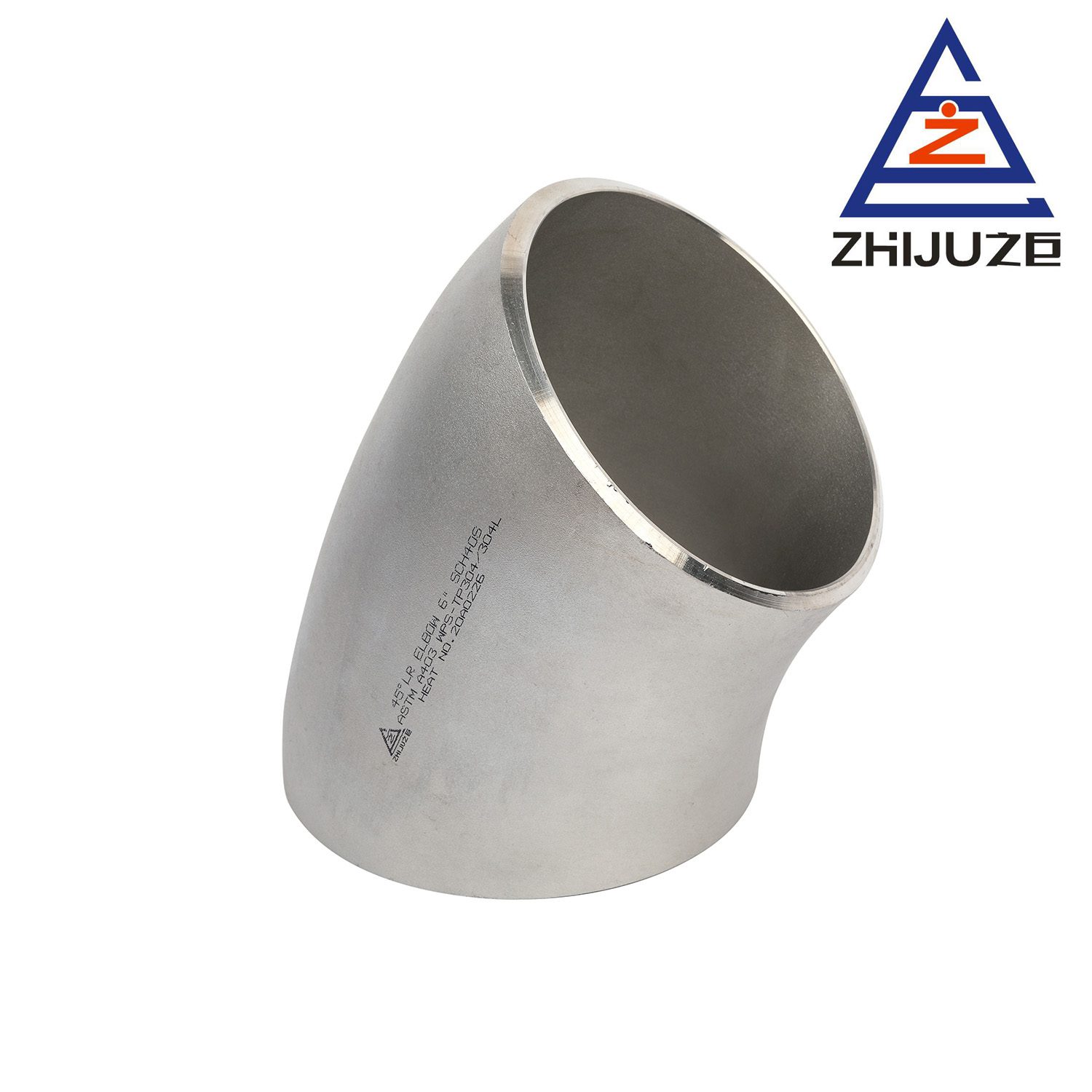
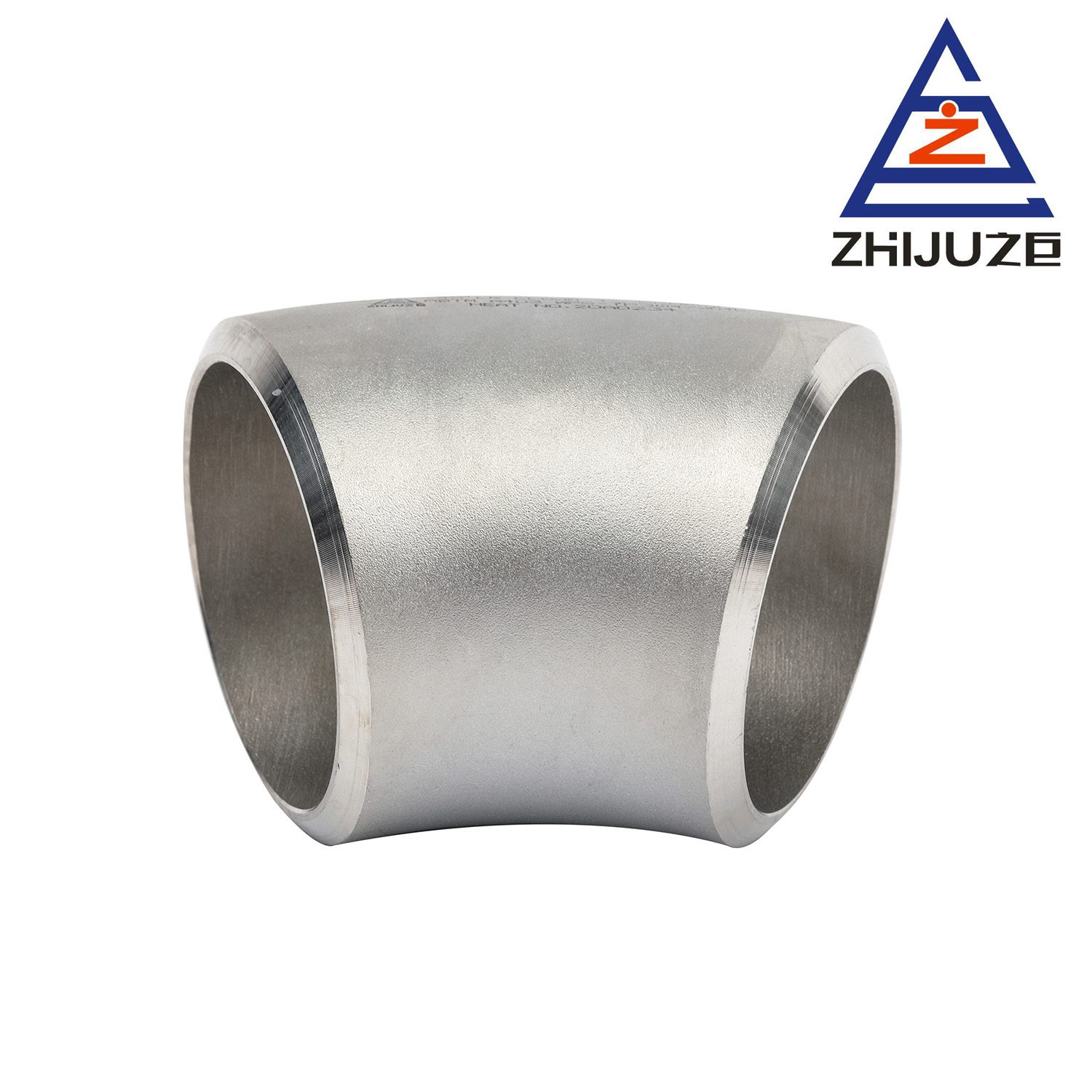
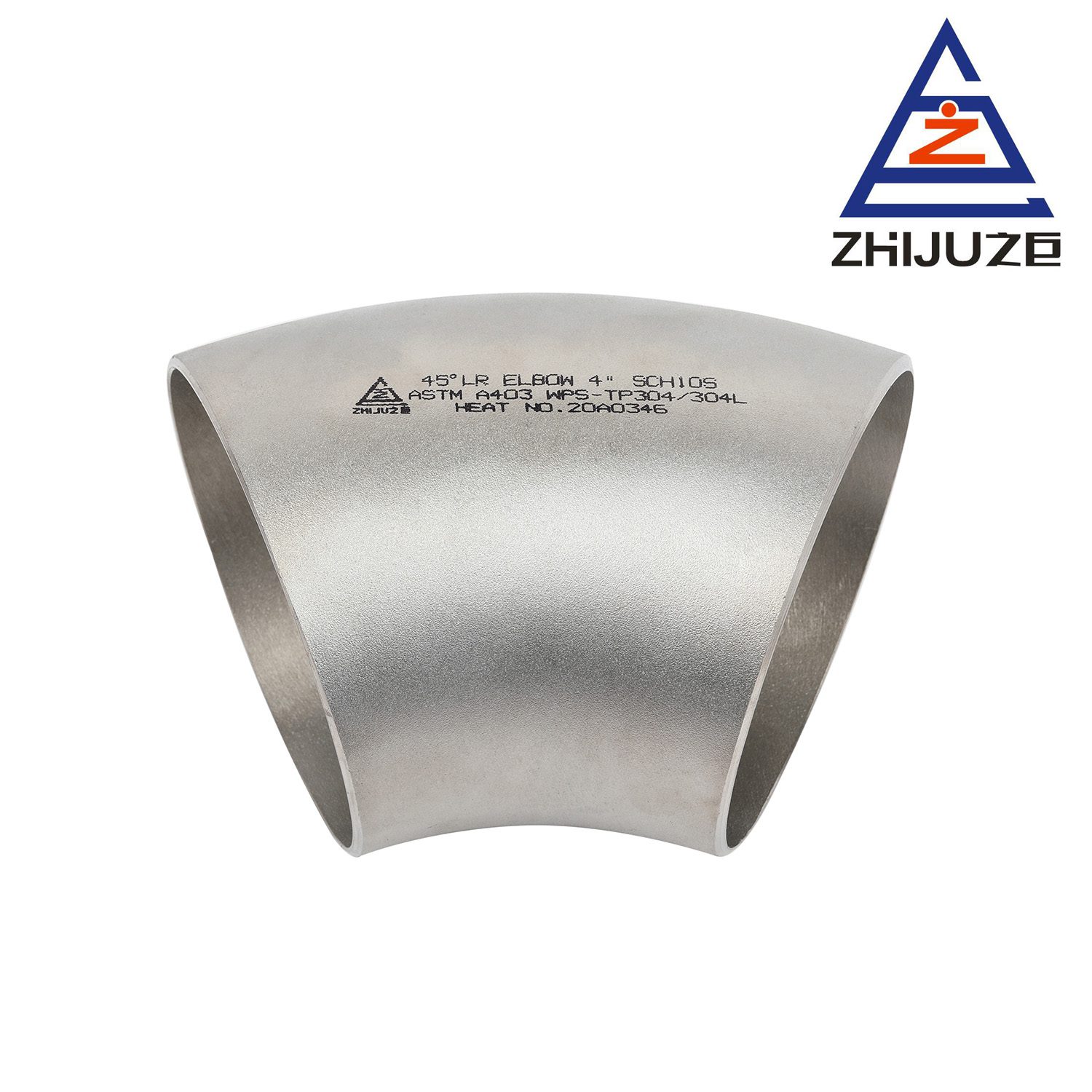
Butt weld fittings define industrial piping. The fitting end is beveled, matching the pipe bevel, and the two are welded together with full penetration.
Best For: Large diameter pipes (> 2 inches), extreme pressures/temperatures, and critical pipelines (Oil & Gas, Nuclear, Chemical).
The Advantage:
Strength: It creates a continuous metal structure.
Flow: The internal surface is smooth and flush, eliminating turbulence and pressure drop.
Inspection: Butt welds can be X-rayed (Radiography) to verify weld quality. Socket welds cannot be X-rayed (only magnetic particle or dye penetrant tested).
The Downside:
Installation is expensive. It requires skilled welders, precise fit-up, and longer labor hours.
To help you decide, here is a quick breakdown of socket weld vs butt weld and threaded connections.
Table 1: Connection Type Selection Guide
| Feature | Threaded (Screwed) | Socket Weld (SW) | Butt Weld (BW) |
| Size Range | Small Bore (≤4″) | Small Bore (≤2″) | All Sizes (Usually ≥2″) |
| Pressure Rating | Low to Medium | High / Extra High | High / Extra High |
| Leak Risk | High (Vibration issues) | Very Low | Zero (Permanent) |
| Crevice Corrosion | Low | High (Trap Zone) | Zero (Smooth Bore) |
| NDT Inspection | Visual Only | Surface Only (PT/MT) | Volumetric (RT/UT) |
| Standard | ASME B16.11 | ASME B16.11 | ASME B16.9 |
Still unsure? Use these scenarios to pick the right pipe fitting connection:
Scenario A: You are running a fire sprinkler line or low-pressure water line.
Choice: Threaded. It’s cheap, fast, and easy to modify.
Scenario B: You have a 1-inch high-pressure hydraulic line, but X-ray inspection is too expensive.
Choice: Socket Weld. It offers high strength and easy alignment without the need for precision butt welding.
Scenario C: You are designing a chemical transport line where flow efficiency and corrosion resistance are critical.
Choice: Butt Weld. It eliminates the crevice corrosion risk found in socket welds and offers the highest integrity.
There is no single “best” connection type—only the best one for your specific pressure, budget, and safety requirements.
Threaded for utility.
Socket Weld for high-pressure small bore.
Butt Weld for critical, large-bore permanence.
Zhiju Steel is your one-stop manufacturer. We produce ASME B16.9 Butt Weld Fittings and ASME B16.11 Forged Fittings (Socket & Threaded) in 304/316 Stainless Steel.
Need technical advice for your project?
[Contact Our Engineers] today to discuss which connection type fits your system best.
THE QUALITY IS THE SOUL OF AN ENTERPRISE
Privacy Policy
Copyright ZHEJIAGN ZHIJU PIPELINE INDUSTRY Co.,Ltd SUPPORT BY :JUNJ