- Whatsapp: 8618958900507
- Email: [email protected]


Measuring a stainless steel elbow fitting correctly is essential for ensuring proper fit and functionality in your plumbing or piping systems. Whether you’re replacing a part or planning a new installation, getting the right measurements will save you time and frustration. This step-by-step guide will walk you through the process of measuring a stainless steel elbow fitting accurately.
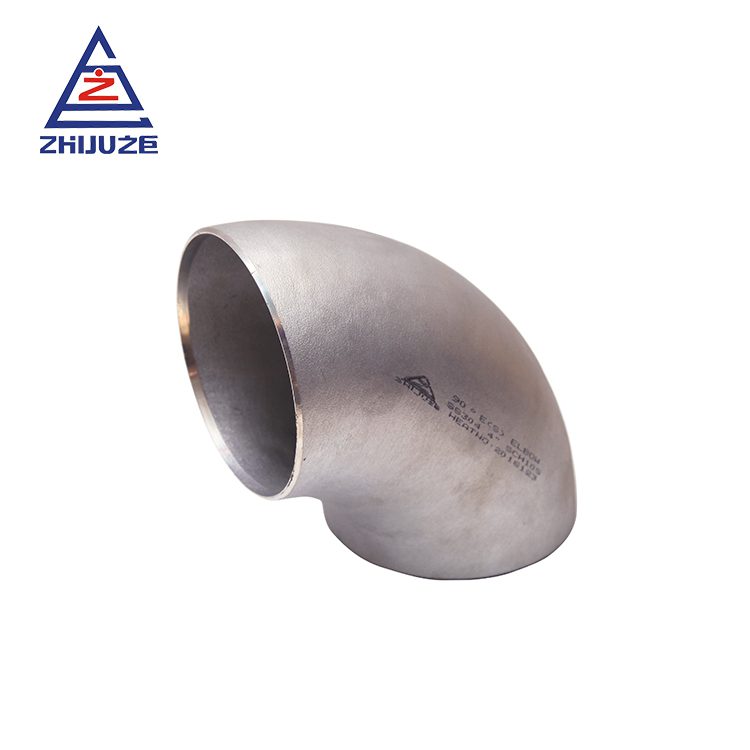 Understanding the Basics of Stainless Steel Elbow Fittings
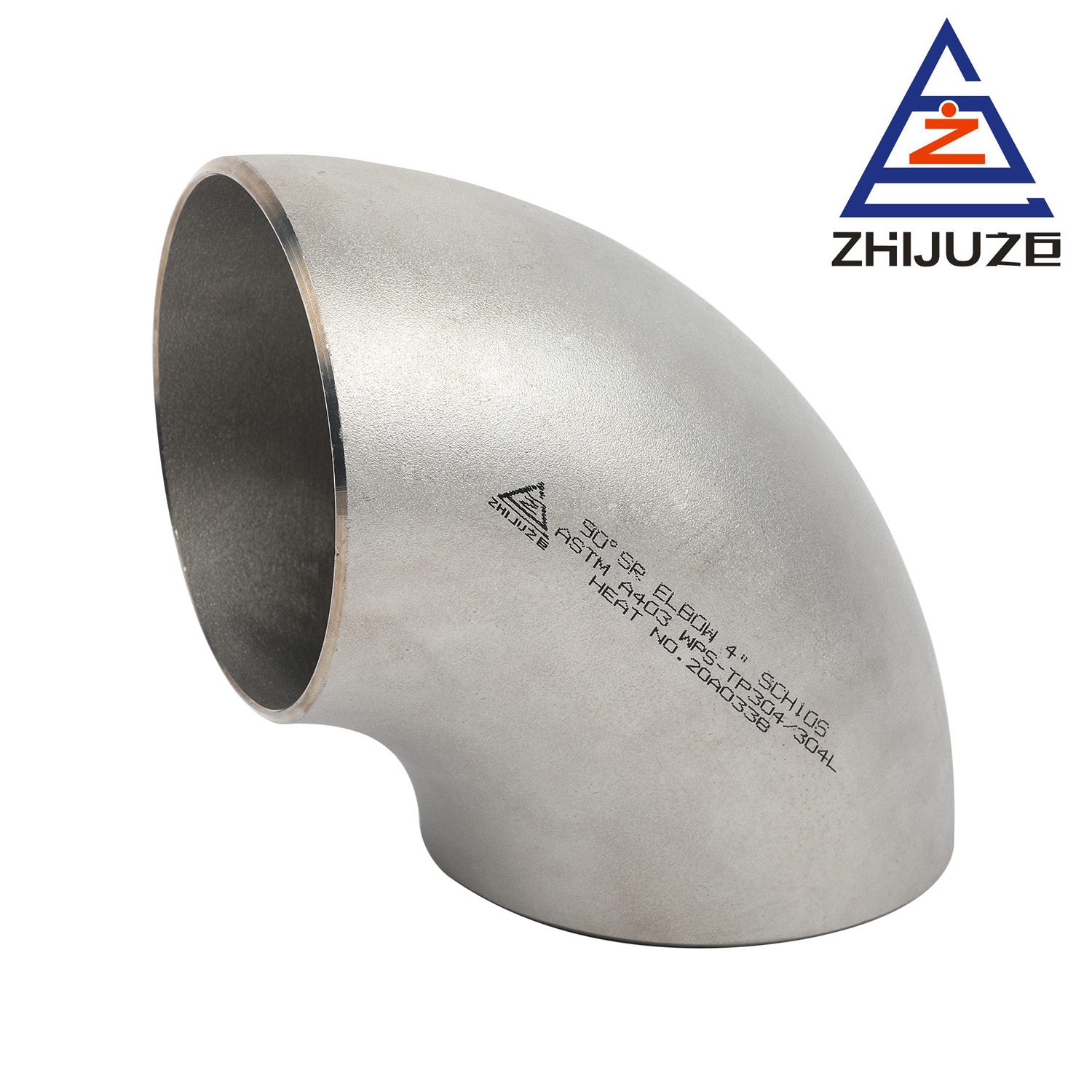
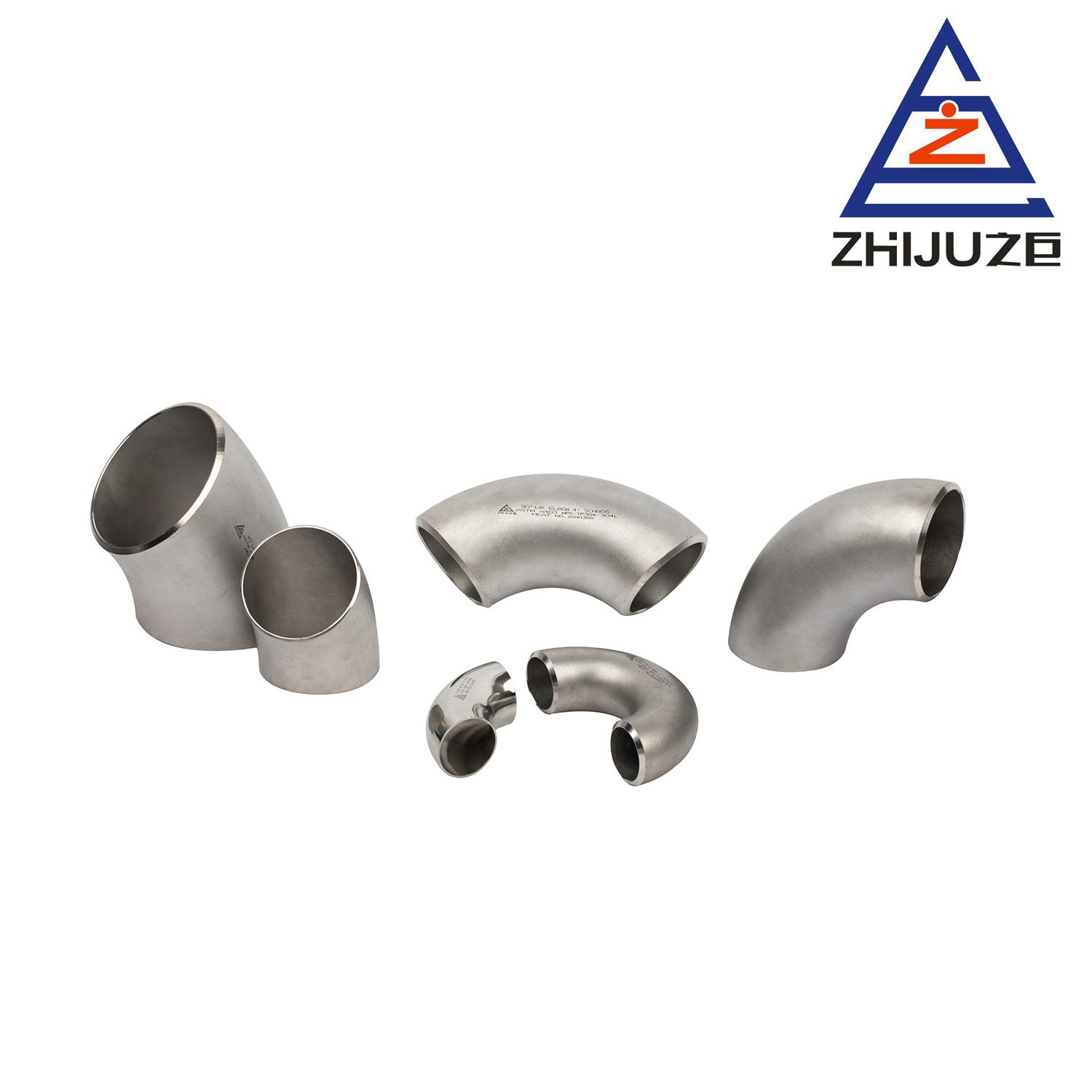
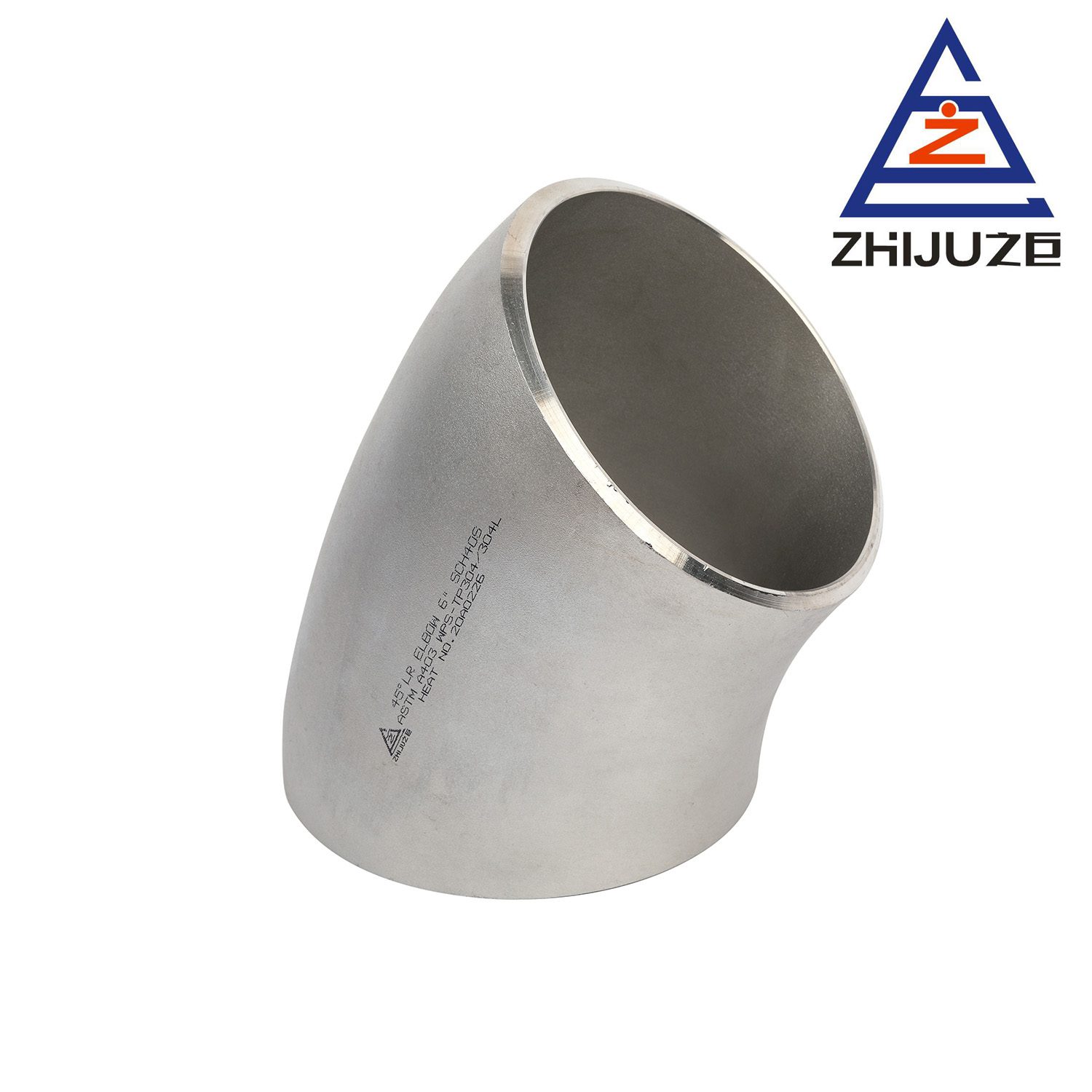
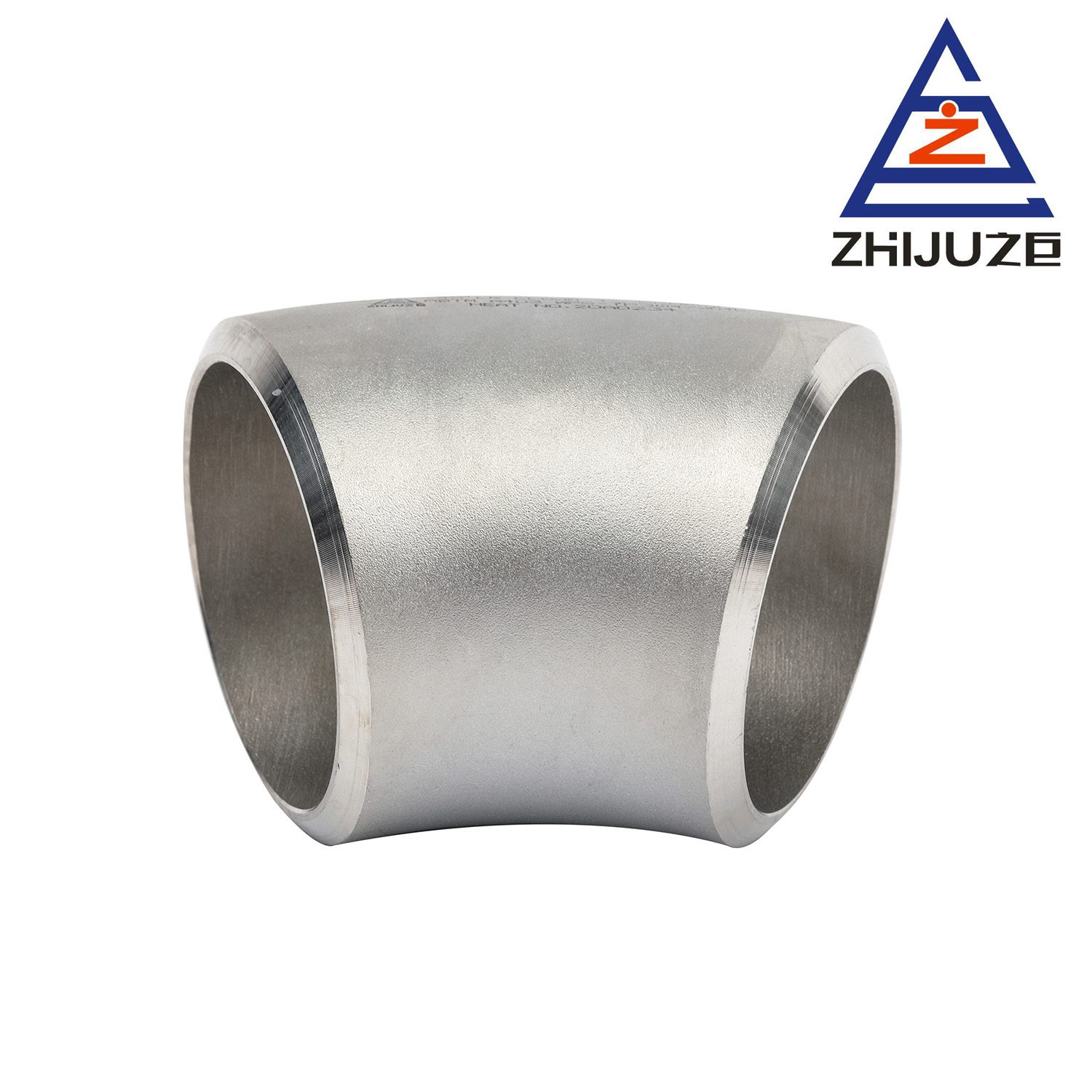
Before you dive into measuring, it’s important to understand what you’re working with. A stainless steel elbow fitting is a pipe connector used to change the direction of flow. Elbow fittings come in different types, such as 45-degree, 90-degree, and 180-degree, each serving distinct purposes in a system. Here’s what you need to know:
| Elbow Type | Angle | Use Case | Common Size Range |
|---|---|---|---|
| 45-degree | 45° | For moderate direction changes | ½” – 6” |
| 90-degree | 90° | For sharp direction changes | ½” – 12” |
| 180-degree | 180° | For full reversal of flow | 1” – 6” |
Understanding these angles and sizes is crucial to measuring the correct fitting.
The first step in measuring your stainless steel elbow fitting is determining the size of the pipe it fits. This is known as the nominal pipe size (NPS) and can be measured by the internal diameter (ID) of the pipe. Here’s how you can do it:
Use a Caliper: Place the caliper inside the pipe to measure the internal diameter. Be sure to take the measurement at several points to ensure consistency.
Check the NPS: If you’re using standard pipes, the NPS will likely match the internal diameter, but for more specialized systems, this can differ.
Inches or Millimeters: Ensure your measurements are in the correct unit, typically inches or millimeters depending on your region.
The next measurement you’ll need is the radius of the elbow fitting. This refers to how tight or loose the bend is in the fitting. To get this measurement:
Measure from the center of the pipe: To find the elbow radius, measure from the center of the fitting to the centerline of the pipe’s curve.
Mark the center: Mark the centerline of the pipe and measure the distance to the middle of the elbow bend.
Consider Standard Bends: Common bend radii are usually 1.5, 2, and 3 times the diameter of the pipe.
For example, if your pipe has a 2” NPS, a 1.5-radius bend will be approximately 3” from center to center.
The length of the elbow fitting is the overall length measured along the centerline of the fitting. To find it:
Measure from end to end: Place the measuring tape or ruler along the centerline of the elbow fitting, from one end to the other.
Consider Both Ends: Ensure you’re measuring from the end of the fitting where the pipe will connect. For elbows with threaded ends, measure from the end of the threads.
Account for the Radius: Ensure you’re measuring the full length, including any curved sections, not just the straight parts.
When measuring a stainless steel elbow fitting, it’s important to double-check the angle and dimensions to ensure compatibility with your system. For different pipe configurations and plumbing requirements, your measurements should align with industry standards.
Check the Degree: Use a protractor or a digital angle gauge to verify the degree of the elbow fitting (e.g., 90-degree or 45-degree).
Confirm Standardization: Ensure the fitting follows industry standards for the elbow type and size you are working with.
Measuring a stainless steel elbow fitting might seem tricky at first, but following these straightforward steps will ensure you get the correct size every time. From measuring the pipe diameter to double-checking the angle, these measurements are crucial for a proper installation. Whether you’re working on a DIY project or a large-scale industrial system, getting it right from the start will save you both time and money. Ready to find your perfect fitting? Choose ZHIJU for reliable, top-quality stainless steel elbow fittings that meet your precise specifications.
What tools do I need to measure a stainless steel elbow fitting?
You’ll need a caliper, measuring tape, and optionally a protractor or digital angle gauge.
Can I use a ruler to measure the length of the elbow fitting?
Yes, but a flexible measuring tape is often easier to use for accurate length measurements.
What’s the difference between a 90-degree and 45-degree elbow fitting?
A 90-degree elbow creates a sharp turn, while a 45-degree elbow allows for a gentler bend in the pipe.
How can I measure the radius of a tight elbow fitting?
Use a caliper to measure from the centerline of the pipe to the center of the curve in the elbow.
Why is the NPS important when measuring a fitting?
The NPS helps determine the correct pipe diameter and ensures compatibility between the pipe and fitting.

THE QUALITY IS THE SOUL OF AN ENTERPRISE
Privacy Policy
Copyright ZHEJIAGN ZHIJU PIPELINE INDUSTRY Co.,Ltd SUPPORT BY :JUNJ