- Whatsapp: 8618958900507
- Email: [email protected]


When it comes to piping systems, the design of stainless pipe elbows plays a surprisingly big role in how efficiently fluids flow and how much pressure is lost along the way. For procurement professionals, understanding these effects can help you choose the right components that save energy, reduce maintenance, and improve overall system performance. This blog dives into the nuances of elbow design, exploring how shape, angle, and material impact flow efficiency and pressure drop, with practical insights and case studies to guide your decisions.
You might think a pipe elbow is just a simple bend, but there’s a lot more going on under the surface. The design of a stainless pipe elbow influences how smoothly fluid can navigate turns without causing turbulence or excessive pressure loss.
Understanding these basics helps you appreciate why not all elbows are created equal and why your choice matters.
The Impact of Elbow Angle
The sharper the turn, the more the fluid has to change direction abruptly, which can cause turbulence and energy loss.
Radius of Curvature Matters
The radius of the elbow’s curve is a game-changer for flow dynamics.
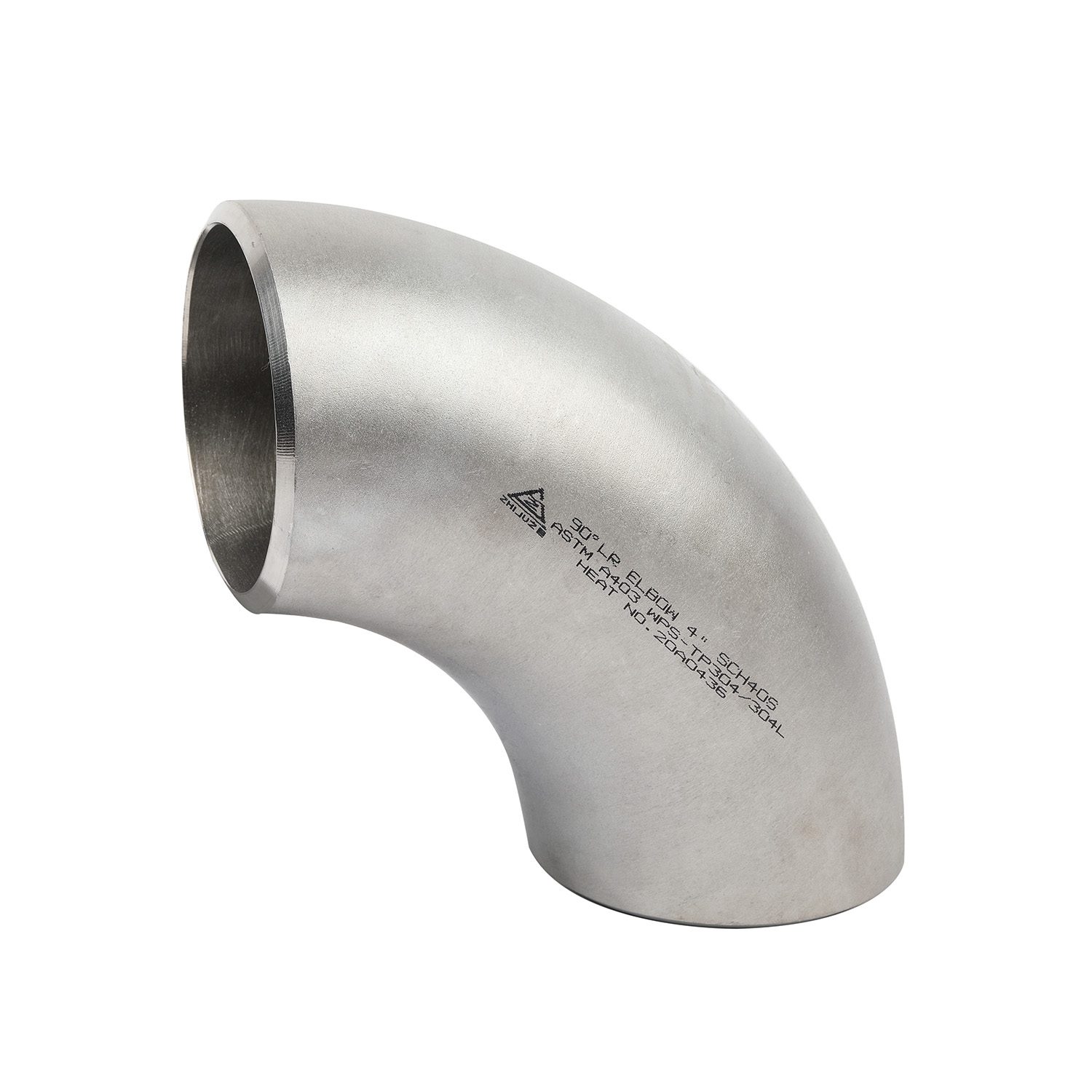 Material and Surface Finish: Why Stainless Steel Shines
You’re probably already sold on stainless steel for its corrosion resistance, but it also plays a role in flow efficiency.
Pressure drop is essentially the loss of pressure as fluid moves through the piping system, and elbows are prime culprits.
| Project Type | Challenge | Elbow Design Solution | Result | Procurement Takeaway |
|---|---|---|---|---|
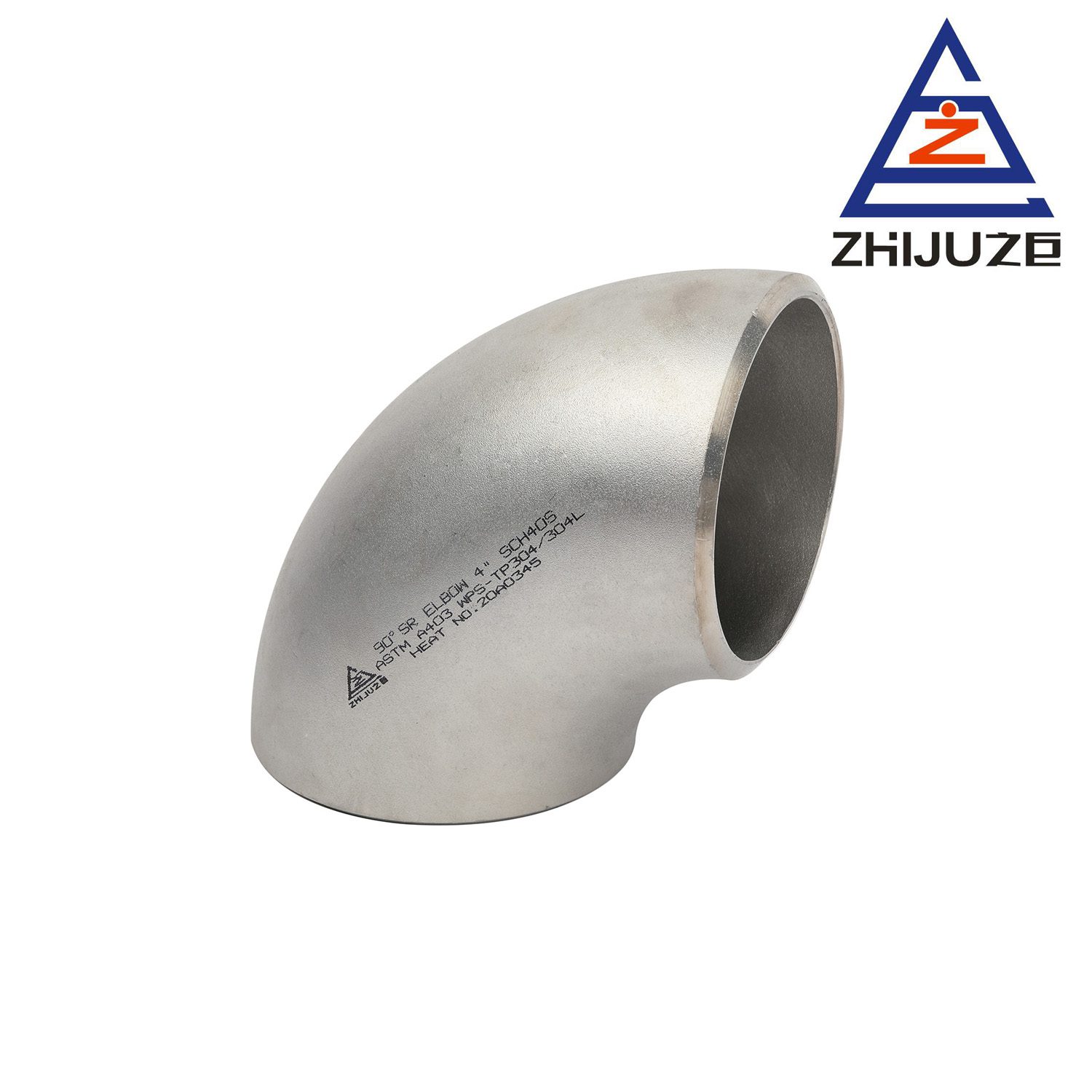
| Chemical processing | High pressure drop causing pump strain | Switched to long-radius 90° elbows | Reduced pressure drop by 25% | Prioritize elbow radius in specs |
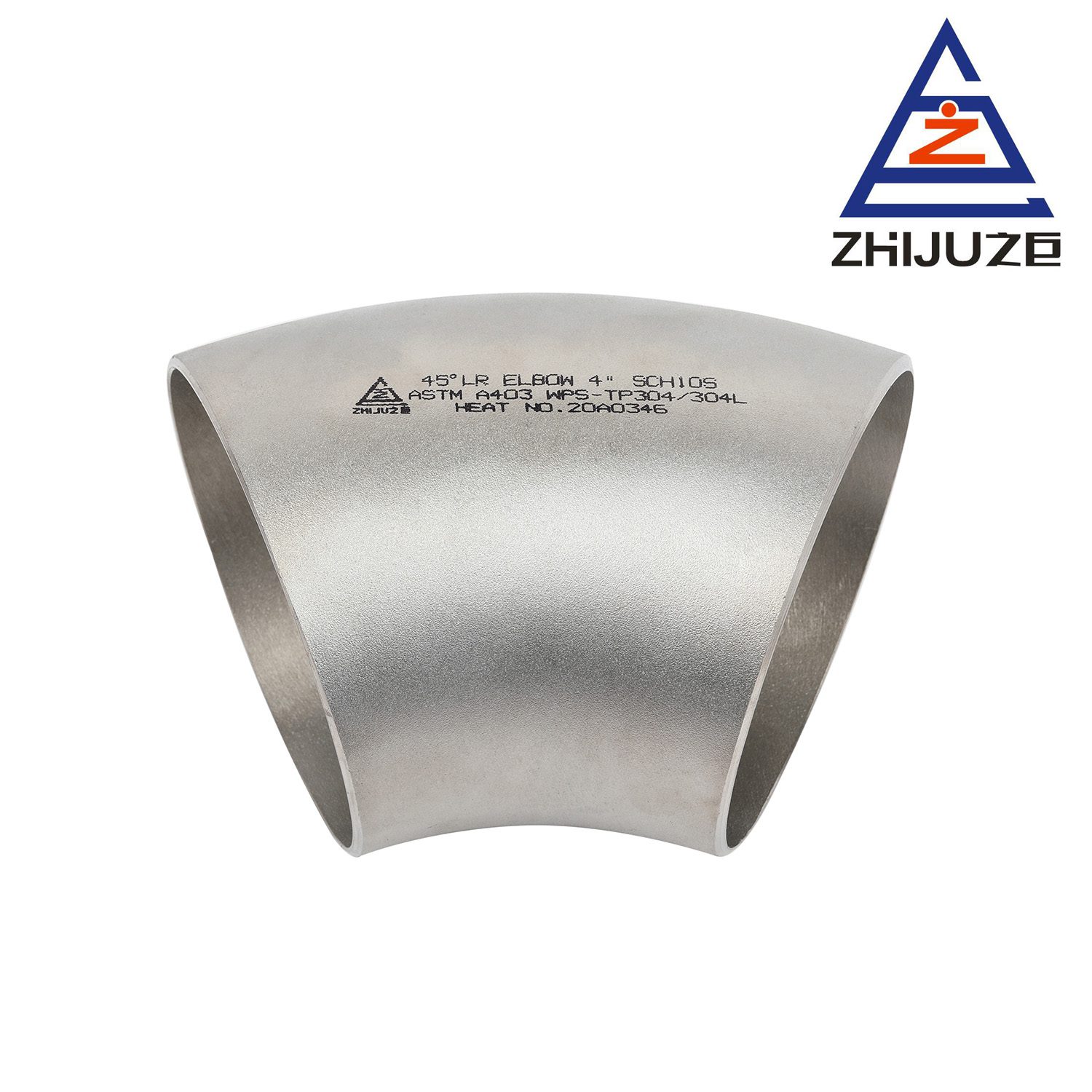
| Food & beverage plant | Space constraints with flow issues | Used 45° elbows with polished stainless steel | Improved flow efficiency and hygiene | Balance space and flow needs |
| Water treatment system | Frequent maintenance due to corrosion | Upgraded to high-grade stainless steel elbows | Extended maintenance intervals | Invest in material quality |
| HVAC system | Noise and vibration from turbulent flow | Replaced short-radius elbows with long-radius | Quieter operation, less wear | Consider noise and longevity |
These cases show how thoughtful elbow selection can make a tangible difference in system performance and maintenance costs.
You’re not just buying a pipe elbow; you’re investing in system efficiency and reliability.
Your choices here ripple through the entire operation, so take the time to get it right.
The design of stainless pipe elbows is far from trivial—it directly affects flow efficiency and pressure drop, which in turn influence energy consumption, maintenance, and system longevity. For procurement professionals, understanding these impacts empowers you to make smarter purchasing decisions that benefit your operations in the long run. Don’t settle for standard elbows when a well-chosen design can save you money and headaches down the line. Ready to optimize your piping systems? Explore ZHIJU’s range of high-quality stainless pipe elbows and experience the difference thoughtful design makes.
How does the radius of a pipe elbow affect pressure drop?
A larger radius reduces turbulence and friction, leading to lower pressure drop and smoother flow.
Why choose stainless steel for pipe elbows?
Stainless steel offers corrosion resistance, durability, and a smooth surface that improves flow efficiency.
Can using 45° elbows instead of 90° elbows improve system performance?
Yes, 45° elbows cause less flow disruption and pressure loss, enhancing overall efficiency.
What are the trade-offs between long-radius and short-radius elbows?
Long-radius elbows reduce pressure drop but require more space; short-radius elbows save space but increase turbulence.
How can procurement ensure they get the right elbow design?
By evaluating system needs, consulting with experts, and prioritizing quality materials and appropriate geometry.

THE QUALITY IS THE SOUL OF AN ENTERPRISE
Privacy Policy
Copyright ZHEJIAGN ZHIJU PIPELINE INDUSTRY Co.,Ltd SUPPORT BY :JUNJ