- Whatsapp: 8618958900507
- Email: [email protected]


If you’re diving into the world of piping and fittings, you’ve probably bumped into the term blind flanges more than once. These handy components might seem simple, but they play a crucial role in sealing off pipe ends and ensuring your system runs smoothly. Whether you’re sourcing stainless steel blind flanges or exploring different types of pipe blind flange fittings, this guide will walk you through everything you need to know — from types and applications to picking the right one and keeping it in top shape for long-term performance.
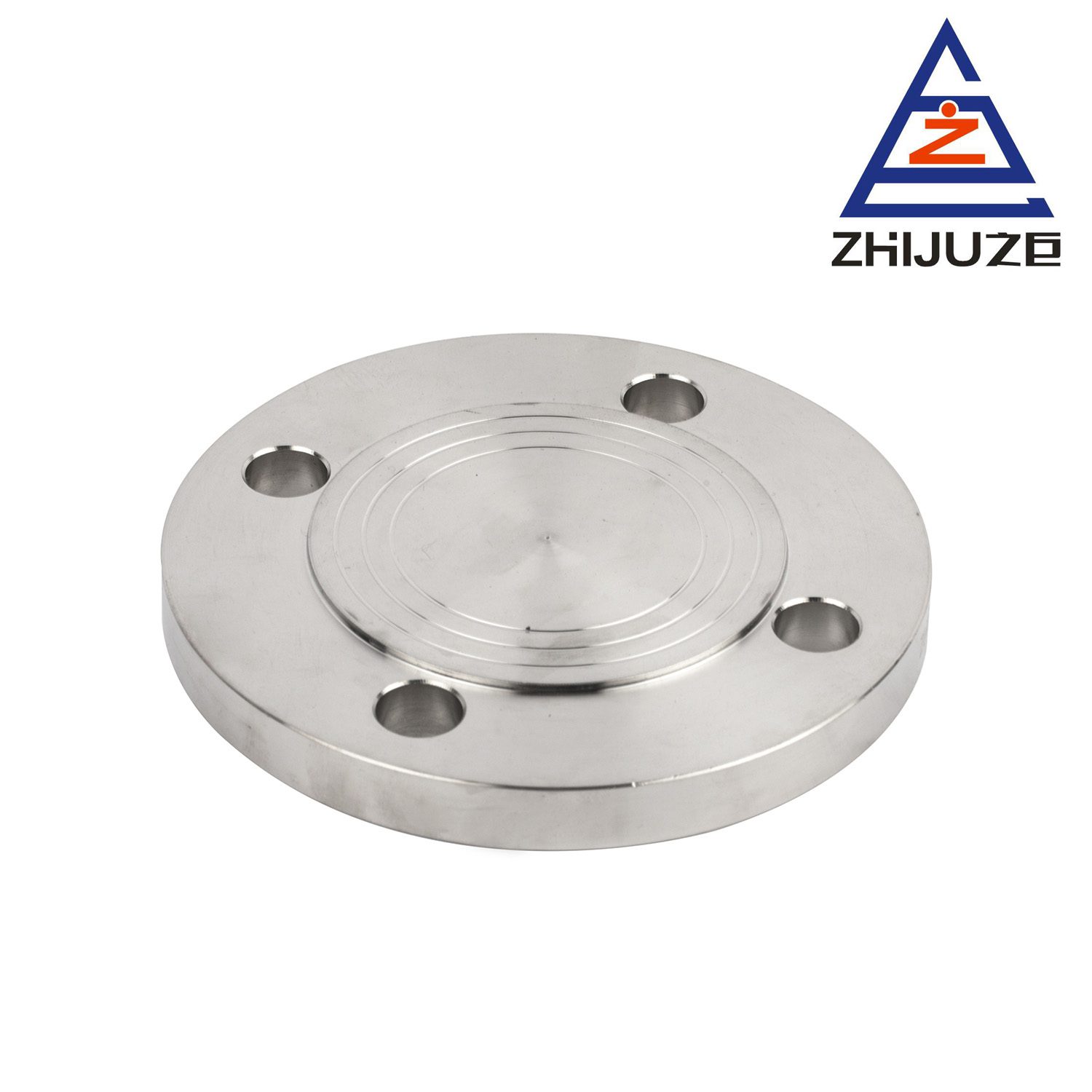 What Are Blind Flanges?
A blind flange is a solid plate used to close the end of a pipe, valve, or pressure vessel opening. Unlike other flanges, it doesn’t have a bore in the center, meaning it completely blocks flow. Think of it as a cap that seals off your piping system when you need to stop flow or perform maintenance.
Key points:
Used to isolate sections of piping
Essential for pressure testing and system shutdowns
Available in various materials, with stainless steel blind flanges being a popular choice for durability and corrosion resistance
Blind flanges come in a variety of materials, each suited for different environments and pressures:
| Material | Features | Typical Pressure | Common Uses |
|---|---|---|---|
| Stainless Steel Blind Flanges | Corrosion-resistant, highly durable | Up to 3000 PSI | Chemical, food, marine |
| Carbon Steel Blind Flanges | Cost-effective, strong | Up to 2500 PSI | Oil & gas, construction |
| Alloy Steel Blind Flanges | High-temp, high-pressure performance | Up to 5000 PSI | Refineries, high-pressure systems |
| PVC/Plastic Blind Flanges | Lightweight, corrosion-resistant | Low pressure | Water treatment, plumbing |
The face of a blind flange affects how it seals with the pipe or equipment. Common face types include:
| Face Type | Description | Best For |
|---|---|---|
| Raised Face (RF) | Slightly raised sealing surface | General industrial use |
| Flat Face (FF) | Flat surface | Cast iron or low-pressure pipes |
| Ring Type Joint (RTJ) | Uses metal ring gasket | High-pressure, critical systems |
How the pipe blind flange connects to the pipe matters for installation and maintenance:
| Connection Type | Description | Ideal For |
|---|---|---|
| Weld Neck Blind Flanges | Welded to pipe, strong, leak-proof | Permanent installations |
| Slip-On Blind Flanges | Slip over pipe, welded in place | Easy installation, moderate pressure |
| Threaded Blind Flanges | Screw onto pipe without welding | Low-pressure, removable systems |
| Socket Weld Blind Flanges | Pipe inserted into flange, welded around joint | Small-diameter high-pressure pipes |
Blind flanges are widely used across industries:
Sealing off pipe ends during maintenance or system shutdowns
Isolating sections of piping for pressure testing
Preventing contamination in sanitary systems
Acting as safety barriers in high-pressure environments
For example, in a chemical plant, a stainless steel blind flange lets you isolate a section to replace a valve without shutting down the entire system. In food processing, it ensures hygiene while sealing off unused pipe ends. In oil and gas, pipe blind flange fittings provide reliable pressure isolation.
Choosing the perfect blind flange involves evaluating several factors:
| Factor | Consideration | Recommendation |
|---|---|---|
| Material | Corrosion, temperature, media | Stainless steel blind flanges for corrosive environments |
| Pressure Rating | System requirements | Match ASME/ANSI/ISO rating |
| Face Type | Gasket compatibility | RF for general, RTJ for high pressure |
| Connection Type | Installation & maintenance | Weld Neck for permanent, Threaded for removable |
| Size & Schedule | Pipe diameter & wall thickness | Standardize for easy installation |
Tips:
Stainless steel blind flange fittings are ideal for long-lasting, corrosion-resistant service.
Carbon steel may be used where budget constraints exist.
Ensure compliance with industry standards for pressure and safety.
Keeping your blind flanges in top condition extends service life:
| Task | Frequency | Notes |
|---|---|---|
| Visual Inspection | Monthly | Check for corrosion, cracks, or wear |
| Cleaning | Quarterly | Use mild detergents; avoid abrasives |
| Bolt Torque Check | During installation & shutdown | Tighten evenly to prevent leaks |
| Passivation (SS only) | Periodic | Restores corrosion resistance |
| Storage | Before use | Dry, clean area to avoid damage |
Q1: What is the main purpose of a blind flange?
It seals the end of a pipe or vessel, stopping flow completely for maintenance or testing.
Q2: Are stainless steel blind flanges better than carbon steel?
Yes, they offer superior corrosion resistance and durability, especially in harsh or sanitary environments.
Q3: Can blind flanges be reused after removal?
Generally, yes, if they’re undamaged and in good condition.
Q4: What standards should I look for when buying blind flanges?
Look for ASME, ANSI, or API compliance to ensure quality and compatibility.
Q5: What is the difference between a blind flange and a slip-on flange?
A blind flange has no center hole and stops flow, while a slip-on flange allows flow and requires welding.
Q6: Which face type is best for sanitary systems?
Raised Face (RF) or Ring Type Joint (RTJ) flanges, depending on pressure and gasket requirements.
Now you have a complete understanding of blind flanges, from types and materials to applications and maintenance. Whether you need stainless steel blind flanges or other pipe blind flange fittings, knowing how to choose and care for them will save time, reduce costs, and improve system reliability.
For high-quality solutions and expert guidance, contact ZHIJU today. Our team can help you select the perfect blind flange fittings for your project, ensuring leak-proof, durable, and efficient piping systems.

THE QUALITY IS THE SOUL OF AN ENTERPRISE
Privacy Policy
Copyright ZHEJIAGN ZHIJU PIPELINE INDUSTRY Co.,Ltd SUPPORT BY :JUNJ